
Medically reviewed by: Dr. Ravi Sishir Reddy, MD (General Medicine)
Senior Consultant Internal Medicine & Critical Care, Vivekananda Hospital, Begumpet
📍 Serving patients from Begumpet, Ameerpet, Somajiguda, Punjagutta, Secunderabad, Banjara Hills, and Khairathabad
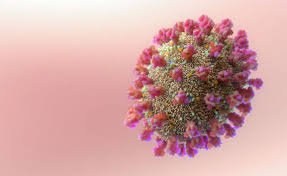
Cicada COVID Variant (BA.3.2): What You Need to Know
A new COVID-19 variant, nicknamed the "Cicada variant" (formally BA.3.2), is being closely monitored by health agencies worldwide. First detected in late 2024, it has now been reported in at least 23 countries, including the United States and several European nations. While it is not yet a dominant strain in most regions, its high number of mutations has raised questions about transmissibility and vaccine effectiveness.
At Vivekananda Hospital, we believe in keeping our community informed. This guide explains what the Cicada variant is, its symptoms, how it differs from previous strains, and what you can do to protect yourself and your family. For official updates, refer to the World Health Organization and US Centers for Disease Control and Prevention.
📌 Key Takeaways: The BA.3.2 variant has 70-75 mutations in its spike protein, which could help it evade some immunity from past infections or vaccines. However, there is no evidence it causes more severe illness than recent Omicron variants. Symptoms are similar to previous COVID-19 strains, and standard precautions remain effective.
What is the Cicada Variant and Why is it Called That?
The variant's official name is BA.3.2, a sub‑lineage of the Omicron family. It earned the nickname "Cicada" because of its unusual pattern of appearing, then seemingly disappearing for a long time before resurfacing—much like the cicada insect that stays dormant underground for years before emerging in large numbers.
The World Health Organization (WHO) first classified BA.3.2 as a "Variant Under Monitoring" (VUM) on December 5, 2025, meaning it requires close tracking due to its genetic changes, even though its wider public health impact is still unclear. The first known sample was collected in South Africa on November 22, 2024.
How is BA.3.2 Different from Other Variants?
The most concerning feature of the Cicada variant is the high number of mutations, particularly in its spike protein—the part of the virus that attaches to human cells and is the target of most COVID-19 vaccines.
- 70-75 spike protein mutations: Compared to earlier Omicron sub-variants like JN.1 and LP.8.1, which had 30-40 mutations, BA.3.2 carries significantly more changes.
- Potential for immune evasion: Laboratory studies suggest that due to these mutations, BA.3.2 may be able to partially evade antibodies from previous infections or vaccination.
- Not more severe: Importantly, there is currently no evidence that the Cicada variant causes more severe illness, higher hospitalisation rates, or increased mortality compared to other Omicron lineages. (CDC)
What Are the Symptoms of the Cicada Variant?
Based on reports from health agencies and infectious disease specialists, the symptoms of BA.3.2 are similar to those of recent Omicron variants. Common symptoms include:
- Sore throat (often described as a "razorblade" sensation)
- Fever and chills
- Cough (dry or productive)
- Nasal congestion and runny nose
- Fatigue and body aches
- Headache
- In some cases, nausea, vomiting, or diarrhoea
Some patients may also experience loss of taste or smell, though this appears less common than with earlier variants.
Are Current COVID-19 Vaccines Effective Against BA.3.2?
This is a key concern for health experts. The 2025–2026 COVID-19 vaccines were designed to target the JN.1 and LP.8.1 lineages, which were dominant at the time. Because BA.3.2 has so many additional mutations, it may not be as well‑matched to the current vaccine.
However, experts emphasise that existing vaccines are still expected to provide protection against severe disease, hospitalisation, and death. Even if the vaccine is less effective at preventing infection entirely, it should still help reduce the severity of illness. (WHO Q&A on COVID-19 vaccines)
As Dr. Talal Khan, a US-based physician, noted: "The vaccine still is effective, boosters can be effective. At least some of the data suggest the virus is obviously mutating, and that’s how it’s going to dodge some of the immunity from the vaccines."
Who is Most at Risk?
As with previous variants, certain groups are at higher risk of severe COVID-19 illness. These include:
- Elderly individuals (age 65 and above)
- People with chronic lung disease, heart disease, diabetes, or other underlying conditions
- Immunocompromised individuals (due to medical conditions or treatments)
- Pregnant women
If you fall into one of these categories, it is especially important to take preventive measures and consult your doctor if you develop symptoms.
Practical Steps to Protect Yourself
While the Cicada variant is being closely watched, the same public health measures that work against other respiratory viruses remain effective.
- Stay up to date with vaccinations: If you are eligible for a booster dose, especially if you are in a high-risk group, speak to your doctor about getting vaccinated.
- Wash your hands frequently: Hand washing with soap and water for at least 20 seconds reduces the risk of respiratory infections.
- Wear a mask in crowded indoor spaces: High-quality masks (N95 or equivalent) provide added protection, especially during travel or in poorly ventilated areas.
- Stay home if you feel unwell: Even mild symptoms could be COVID-19. Avoid work, school, and social gatherings to prevent spreading the virus.
- Seek testing if you have symptoms: Early diagnosis allows for timely treatment, especially for those at high risk. Antiviral medications work best when started early.
- Improve ventilation: Open windows or use air purifiers to reduce virus concentration indoors.
What Should You Do If You Have Symptoms?
If you develop a fever, cough, sore throat, or any of the symptoms listed above:
- Take a COVID-19 test – home antigen tests or lab-based PCR tests are available.
- Isolate yourself – stay away from others, especially those at high risk, until your symptoms are improving and you have been fever‑free for 24 hours without medication.
- Contact your doctor – especially if you are in a high-risk group. Antiviral medications (like Paxlovid) can reduce the risk of severe illness if started within 5 days of symptom onset.
- Rest and hydrate – supportive care at home is usually sufficient for mild cases.
The Bottom Line
The Cicada variant (BA.3.2) is a reminder that COVID-19 continues to evolve. While its high number of mutations raises concerns about immune evasion, it does not appear to be more dangerous than previous Omicron variants. The best defence remains the same: stay up to date with vaccines, practice good hygiene, and seek medical care if you develop symptoms.
At Vivekananda Hospital, our Department of Internal Medicine is available 24/7 for consultations, testing, and treatment. If you have concerns about the Cicada variant or any COVID-19 symptoms, please do not hesitate to reach out.
Meet Our Internal Medicine Experts

Dr. Ravi Sishir Reddy
MD (General Medicine)
Consultant – Internal Medicine | 15+ years experience | Gentle approach, expertise in diabetes, hypertension, fevers, and routine health checks
OPD: Monday–Saturday, 9:00 AM – 12:00 AM & 5:00 PM – 6:00 PM
Frequently Asked Questions About the Cicada COVID Variant
You May Also Like
Sources
- WHO: Tracking SARS-CoV-2 variants
- CDC: About COVID-19
- WHO Q&A on COVID-19 vaccines
- Infectious Diseases Society of America
Have symptoms or concerns about the Cicada variant? Consult our expert physicians.
📞 Call Now 💬 WhatsApp© 2026 Vivekananda Hospital, Begumpet, Hyderabad. This information is for educational purposes and does not replace a personal consultation with a qualified physician.