
Medically verified by: Dr. Shalini B, MBBS (Gold Medal), DGO, DNB (OB-GYN), Fellowship in Minimal Access Surgery
Senior Consultant Obstetrician & Gynaecologist, Vivekananda Hospital, Begumpet | 5,000+ deliveries
📍 Serving families from Ameerpet, Somajiguda, Punjagutta, Secunderabad, Banjara Hills, and Khairathabad
High‑Risk Pregnancy Management in Hyderabad: Expert Care at Vivekananda Hospital
If your pregnancy has been labelled “high‑risk”, it can feel overwhelming. But the term does not mean something will go wrong it simply means you need closer monitoring and specialised care to ensure the best outcome for you and your baby.
Dr. Shalini B, with over 5,000 deliveries and extensive experience in managing complicated pregnancies, leads the high‑risk pregnancy programme at Vivekananda Hospital, Begumpet. This guide explains the conditions we manage, our approach, and why early, coordinated care makes all the difference.
📌 Quick Facts: 98% successful high‑risk pregnancy outcomes • 24/7 emergency OT • Level 2 NICU • Experienced maternal‑fetal specialist • Cashless insurance accepted
What Is a High‑Risk Pregnancy?
A high‑risk pregnancy means that the mother, the baby, or both face a higher chance of complications. This could be due to existing medical conditions, conditions that develop during pregnancy, or factors related to the baby. With proper management, most high‑risk pregnancies result in healthy deliveries.
Common Risk Factors
- Maternal age: Under 17 or over 35
- Pre‑existing medical conditions: Diabetes, high blood pressure, thyroid disorders, heart disease, autoimmune diseases
- Pregnancy‑related conditions: Gestational diabetes, preeclampsia, placenta previa, preterm labour
- Multiple pregnancies: Twins, triplets or more
- Previous pregnancy complications: Recurrent miscarriages, preterm birth, previous C‑section
- Fetal conditions: Growth restriction, birth defects, chromosomal abnormalities
Common High‑Risk Conditions We Manage
Glucose monitoring, dietary guidance, insulin if needed; fetal growth scans.
Regular BP monitoring, urine protein checks, medication, timely delivery planning.
Frequent growth scans, nutritional support, planned delivery with neonatal backup.
Genetic screening, cardiac evaluation, increased surveillance.
Ultrasound monitoring, planned C‑section, blood transfusion readiness.
Scar assessment, trial of labour with emergency OT readiness.
Cervical length measurement, steroid injections, tocolytics, NICU coordination.
Medication optimisation, joint care with physician.
Why Early Identification Matters
Early detection of risk factors allows us to intervene before problems become emergencies. Our antenatal programme includes:
- First Trimester: Risk assessment, baseline tests, genetic counselling if needed.
- Second Trimester: Anomaly scan, glucose challenge test, blood pressure surveillance.
- Third Trimester: Fetal growth monitoring, biophysical profile, delivery planning.
Advanced diagnostics such as Doppler ultrasound, fetal echocardiography, and cervical length measurement are available on‑site.
Our High‑Risk Pregnancy Management Protocol
Detailed history, baseline tests, early ultrasound.
Customised visit schedule, specialist referrals if needed.
Regular fetal growth scans, blood work, and BP checks.
Multidisciplinary team (obstetrics, anaesthesia, paediatrics) ready.
Close follow‑up for mother and baby, lactation support.
Why Choose Vivekananda Hospital for High‑Risk Pregnancy?
- Expertise: Dr. Shalini B has successfully managed hundreds of high‑risk pregnancies with a 98% success rate.
- 24/7 Emergency OT & NICU: Level 2 NICU and operation theatre ready at all times.
- Team Approach: Coordinated care with anaesthetists, neonatologists, and physicians.
- Advanced Diagnostics: High‑resolution ultrasound, Doppler, fetal echocardiography.
- Cashless Insurance: CGHS, ESI, Arogyabhadratha, and 25+ private insurers accepted.
- Central Location: Easy access from all parts of Hyderabad.
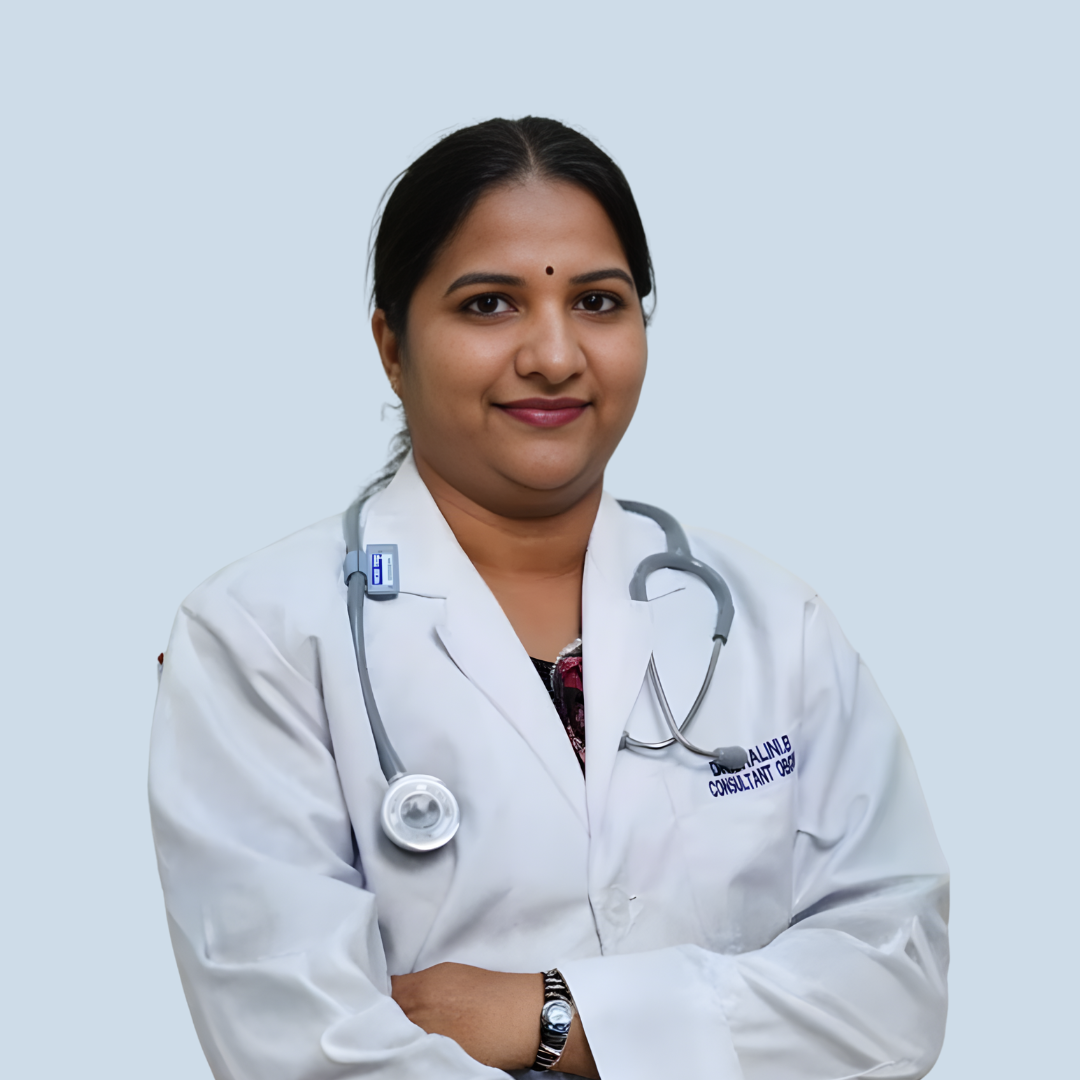
Dr. Shalini B
MBBS (Gold Medal), DGO, DNB (OB-GYN), Fellowship in Minimal Access Surgery
Senior Consultant Obstetrician & Gynaecologist | 5,000+ deliveries | 10+ years experience
OPD: Monday–Saturday, 11:00 AM – 2:00 PM | Consultation: Rs. 750
Frequently Asked Questions About High‑Risk Pregnancy in Hyderabad
You May Also Like
© 2026 Vivekananda Hospital, Begumpet, Hyderabad. For educational purposes only.