
Medically verified by: Dr. Shalini B, MBBS (Gold Medal), DGO, DNB (OB-GYN), Fellowship in Minimal Access Surgery
Senior Consultant Obstetrician & Gynaecologist, Vivekananda Hospital, Begumpet | 5,000+ deliveries | 1,000+ laparoscopic surgeries
📍 Serving families from Ameerpet, Somajiguda, Punjagutta, Secunderabad, Banjara Hills, and Khairathabad
Laparoscopic Ovarian Cyst Removal: When is Surgery Needed?
Ovarian cysts are fluid-filled sacs that develop on or inside the ovary. Most are harmless and resolve on their own, but some can cause pain, bloating, irregular periods, or even fertility issues. If surgery becomes necessary, laparoscopic cystectomy (keyhole removal) is the modern gold standard preserving healthy ovarian tissue while offering faster recovery and minimal scarring. In this guide, we explain everything about laparoscopic ovarian cyst removal, including when it is recommended, what the procedure involves, and how it affects your fertility.
Dr. Shalini B, a fellowship-trained minimal access surgeon, has performed hundreds of laparoscopic ovarian cystectomies at Vivekananda Hospital, Begumpet. This guide explains the types of ovarian cysts, when surgery is recommended, what the procedure involves, recovery, and how it affects fertility.
📌 Quick Facts: Laparoscopic ovarian cyst removal uses small incisions (0.5-1 cm) to remove the cyst while preserving healthy ovary. Hospital stay is 1-2 days, recovery 1-2 weeks, and most women preserve or even improve fertility.
What Are Ovarian Cysts?
Ovarian cysts are very common. Most are benign (non-cancerous) and occur during a woman’s reproductive years. They vary in type:
- Functional cysts (follicular and corpus luteum): Related to the menstrual cycle, usually harmless and disappear within 1-3 cycles.
- Dermoid cysts (teratomas): Contain tissue like hair, skin, or teeth. Can grow large and may require removal.
- Endometriomas (chocolate cysts): Associated with endometriosis; filled with old blood. Can cause pain and infertility.
- Cystadenomas: Benign growths that can become large and cause pressure symptoms.
- Polycystic ovaries (PCOS): Many small follicles; usually managed with medication unless cysts cause pain.
Common Symptoms of Ovarian Cysts
- Dull or sharp pelvic pain (especially during intercourse or menstruation)
- Bloating or feeling of fullness
- Irregular menstrual cycles
- Frequent urination (if cyst presses on the bladder)
- Difficulty getting pregnant
- Sudden severe pain if a cyst ruptures or twists (ovarian torsion) – this is a medical emergency
When is Surgery Needed?
Most ovarian cysts do not require surgery. Observation with repeat ultrasound in 2-3 months is often sufficient. However, surgery is recommended when:
- The cyst is large (typically over 5-7 cm) and does not resolve.
- Symptoms are severe and affect quality of life.
- The cyst appears suspicious on ultrasound (solid areas, irregular shape, blood flow).
- It is causing infertility or recurrent miscarriages.
- It is an endometrioma (chocolate cyst) associated with endometriosis.
- It is a dermoid cyst that continues to grow.
- There is suspicion of ovarian torsion (twisting) or rupture.
Laparoscopic Ovarian Cystectomy: How It Works
Laparoscopic cystectomy is performed under general anaesthesia. Steps:
- Small incisions: 3-4 tiny cuts (0.5-1 cm) in the abdomen.
- Camera insertion: A high-definition laparoscope gives a magnified view of the ovaries.
- Cyst removal: The cyst is carefully separated from healthy ovarian tissue, and the cyst wall is removed whole or in parts.
- Ovary repair: The remaining ovary is sutured to preserve function and shape.
- Specimen retrieval: The cyst is placed in a bag and removed through one of the incisions.
- Closure: Incisions are closed with absorbable stitches or skin glue.
The procedure usually takes 30-90 minutes. For endometriomas, special care is taken to excise the cyst wall completely to reduce recurrence.
Benefits of Laparoscopic Over Open Ovarian Cystectomy
| Aspect | Laparoscopic Cystectomy | Open Cystectomy |
|---|---|---|
| Incision size | 3-4 small cuts (0.5-1 cm) | Single large incision (5-15 cm) |
| Hospital stay | 1-2 days | 3-5 days |
| Return to work | 1-2 weeks | 4-6 weeks |
| Post-operative pain | Mild to moderate | More intense |
| Risk of adhesions | Lower | Higher |
| Scarring | Minimal, hidden | Visible, longer |
Recovery After Laparoscopic Ovarian Cystectomy
Fertility After Ovarian Cyst Removal
One of the most common concerns is whether cyst removal affects fertility. The goal of laparoscopic cystectomy is to remove the cyst while preserving healthy ovarian tissue. In most cases:
- For benign cysts, ovarian function remains intact or even improves because the cyst was interfering with ovulation.
- For endometriomas, removing the cyst can improve fertility by reducing inflammation and restoring normal anatomy.
- For large dermoid cysts, careful dissection preserves the remaining ovary.
If both ovaries are extensively involved (e.g., severe endometriosis), ovarian reserve may be affected. Dr. Shalini B discusses this pre-operatively and may recommend ovarian reserve testing (AMH) before surgery. Most women can attempt pregnancy 1-3 months after surgery.
Risks and Considerations
Laparoscopic cystectomy is safe, but potential risks include:
- Bleeding (rare, usually minimal)
- Infection (low due to small incisions)
- Injury to surrounding organs (very rare, less than 1 percent)
- Cyst recurrence (for endometriomas, recurrence rate 10-30 percent over 5 years)
- In rare cases, conversion to open surgery if unexpected findings (e.g., cancer suspicion)
Dr. Shalini B reviews your imaging and history to minimise risks.
Why Choose Vivekananda Hospital for Ovarian Cyst Removal?
- Expert surgeon: Dr. Shalini B has performed over 1,000 laparoscopic procedures, including complex cystectomies and endometriosis surgery.
- Fertility preservation: Meticulous technique to preserve healthy ovarian tissue; pre-operative AMH testing available.
- Advanced equipment: High-definition laparoscopy and specialised instruments for precise dissection.
- Affordable & transparent: All-inclusive packages; cashless insurance available.
- Central location: Easy access from all parts of Hyderabad.
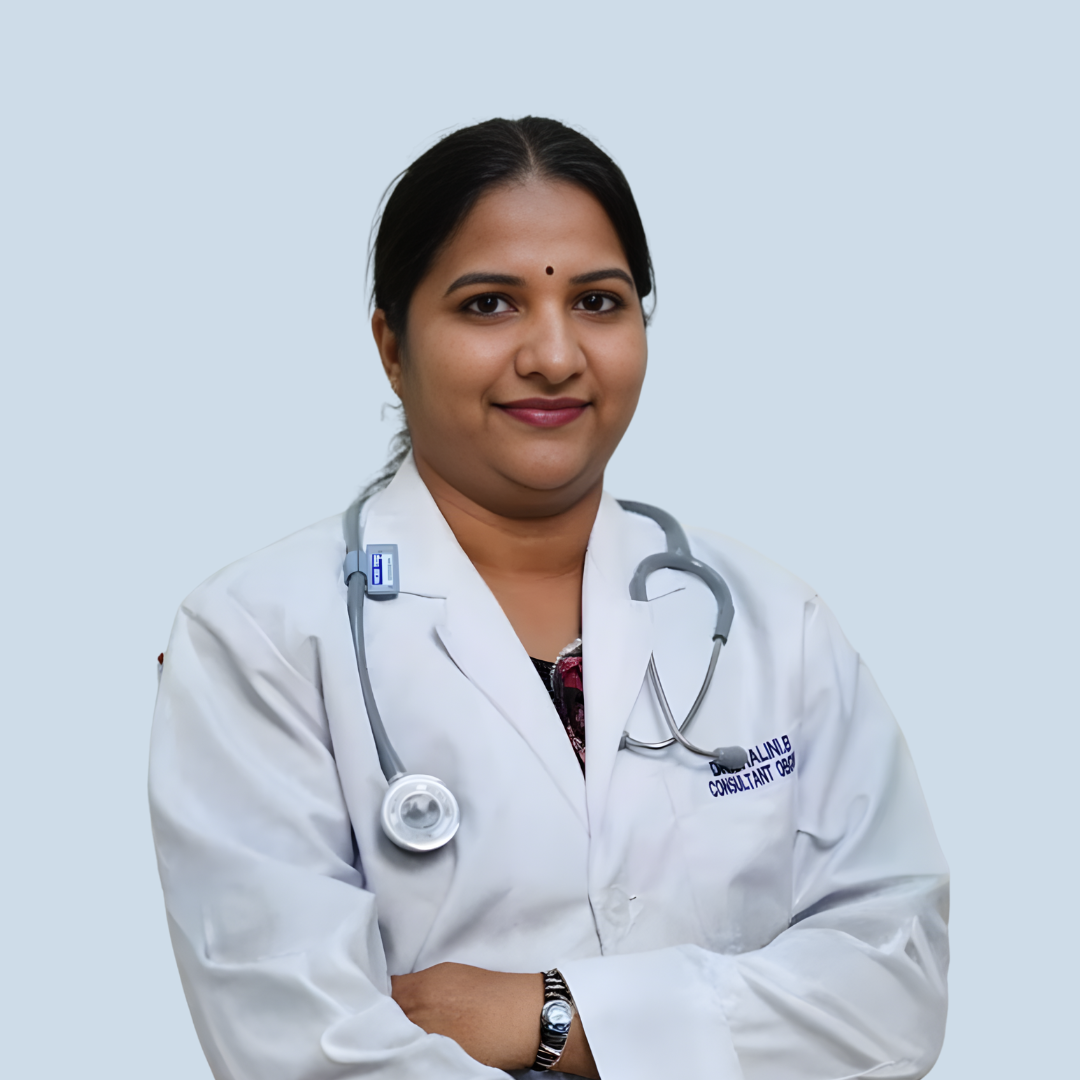
Dr. Shalini B
MBBS (Gold Medal), DGO, DNB (OB-GYN), Fellowship in Minimal Access Surgery
Senior Consultant Obstetrician & Gynaecologist | 5,000+ deliveries | 1,000+ laparoscopic surgeries
OPD: Monday-Saturday, 11:00 AM - 2:00 PM | Consultation: Rs. 750
Frequently Asked Questions About Ovarian Cyst Removal
You May Also Like
Have an ovarian cyst? Consult Dr. Shalini B to know if laparoscopic removal is right for you.
📞 Call Now 💬 WhatsApp© 2026 Vivekananda Hospital, Begumpet, Hyderabad. For educational purposes only. Always consult your doctor for personal medical advice.