
Medically verified by: Dr. Shalini B, MBBS (Gold Medal), DGO, DNB (OB-GYN), Fellowship in Minimal Access Surgery
Senior Consultant Obstetrician & Gynaecologist, Vivekananda Hospital, Begumpet | 5,000+ deliveries | 1,000+ laparoscopic surgeries
📍 Serving families from Ameerpet, Somajiguda, Punjagutta, Secunderabad, Banjara Hills, and Khairathabad
Laparoscopic vs Open Gynaecology Surgery: Which is Better?
If you have been advised surgery for a gynaecological condition, such as fibroids, ovarian cysts, endometriosis, or hysterectomy, one of the first decisions you will face is whether to opt for traditional open surgery or the newer, minimally invasive laparoscopic approach. Both have their place, but the choice can significantly affect your recovery time, pain levels, scarring, and even long-term outcomes.
Dr. Shalini B, a fellowship-trained minimal access surgeon with over 1,000 laparoscopic procedures, explains the key differences, benefits, risks, and helps you understand which option may be right for you.
📌 Quick Comparison: Laparoscopic surgery uses small incisions (0.5-1 cm), a camera, and specialised instruments. Open surgery uses a single larger incision (5-15 cm). Laparoscopy offers faster recovery, less pain, and minimal scarring; open surgery may be preferred for very large fibroids or complex cancer cases.
What is Laparoscopic Gynaecology Surgery?
Laparoscopic (keyhole) surgery involves making 3-4 small incisions (usually 0.5-1 cm) in the abdomen. A laparoscope (a thin tube with a high-definition camera) is inserted through one incision, projecting a magnified view of the pelvic organs onto a screen. Specialised instruments are inserted through the other incisions, allowing the surgeon to perform complex procedures with precision. This approach is used for most benign gynaecological conditions, including fibroids, ovarian cysts, endometriosis, and hysterectomy.
What is Open Gynaecology Surgery?
Open surgery (also called laparotomy) requires a single larger incision, typically horizontal (bikini line) or vertical, through the abdominal wall. The incision can range from 5 to 15 cm depending on the procedure. It provides direct access to the pelvic organs and is traditionally used for large fibroids, extensive endometriosis, or when cancer is suspected. Open surgery remains necessary in some complex cases but is now often replaced by laparoscopy when safe and feasible.
Laparoscopic vs Open: A Detailed Comparison
| Factor | Laparoscopic Surgery | Open Surgery |
|---|---|---|
| Incision size | 3-4 small cuts (0.5-1 cm each) | One large cut (5-15 cm) |
| Scarring | Minimal; scars fade over time | Visible; may be 10-15 cm long |
| Hospital stay | 1-2 days | 3-5 days |
| Recovery time (return to work) | 1-2 weeks (desk job) | 4-6 weeks |
| Return to exercise / heavy lifting | 4-6 weeks | 8-12 weeks |
| Post-operative pain | Mild to moderate; oral painkillers usually sufficient | More intense; often requires stronger medications |
| Risk of infection | Lower (smaller wounds) | Higher (larger incision) |
| Risk of hernia | Very low | Low to moderate (especially with vertical incisions) |
| Blood loss | Less | More |
| Visualisation | Magnified, high-definition view | Direct view, but not magnified |
| Cost | Comparable to open (sometimes slightly higher due to equipment) | Similar, but longer stay may increase total cost |
When is Laparoscopic Surgery Preferred?
- Benign conditions: fibroids, ovarian cysts, endometriosis, adhesions
- Diagnostic laparoscopy for chronic pelvic pain or infertility
- Laparoscopic hysterectomy (removal of uterus) for non-cancerous reasons
- When preserving fertility is important (myomectomy, cystectomy)
- In patients where faster recovery and minimal scarring are priorities
Dr. Shalini B performs laparoscopy for the vast majority of her gynaecology surgeries, because of the well-documented benefits to patients.
When is Open Surgery Still Necessary?
- Very large fibroids (over 12-15 cm) or multiple large fibroids
- Suspected or confirmed gynaecological cancer (ovarian, uterine, cervical)
- Extensive endometriosis with dense adhesions involving bowel or bladder
- When previous abdominal surgeries have caused severe adhesions making laparoscopy unsafe
- In emergency situations where rapid access is required (e.g., severe haemorrhage)
Even in such cases, some surgeons may attempt laparoscopy if experienced; Dr. Shalini B assesses each patient individually to recommend the safest approach.
Recovery Timeline Comparison
Day 1-2: Hospital stay, walking with assistance.
Day 3-7: Light activities, pain with oral meds.
Week 2: Return to desk job.
Week 4-6: Full recovery, resume exercise.
Day 3-5: Hospital stay, may need help at home.
Week 1-2: Significant pain, limited mobility.
Week 4-6: Gradual return to light work.
Week 8-12: Full recovery, heavy lifting.
Risks and Considerations
Both approaches have inherent risks, though laparoscopic surgery generally has a lower complication rate for similar procedures. Risks include:
- Laparoscopic: Injury to bowel or bladder (rare, less than 1 percent), conversion to open surgery (if unexpected complexity), gas-related shoulder pain (temporary).
- Open: Higher risk of wound infection, hernia, longer recovery, more pain, more visible scarring.
Your overall health, the specific condition, and the surgeon's experience play major roles in safety and outcomes.
Why Choose Laparoscopic Surgery with Dr. Shalini B?
- Advanced training: Fellowship in Minimal Access Surgery; over 1,000 laparoscopic procedures performed.
- Modern equipment: High-definition laparoscopic stacks, advanced energy devices.
- Patient-centred approach: Focus on fertility preservation, minimal scarring, and rapid recovery.
- Affordable packages: Transparent pricing, cashless insurance available.
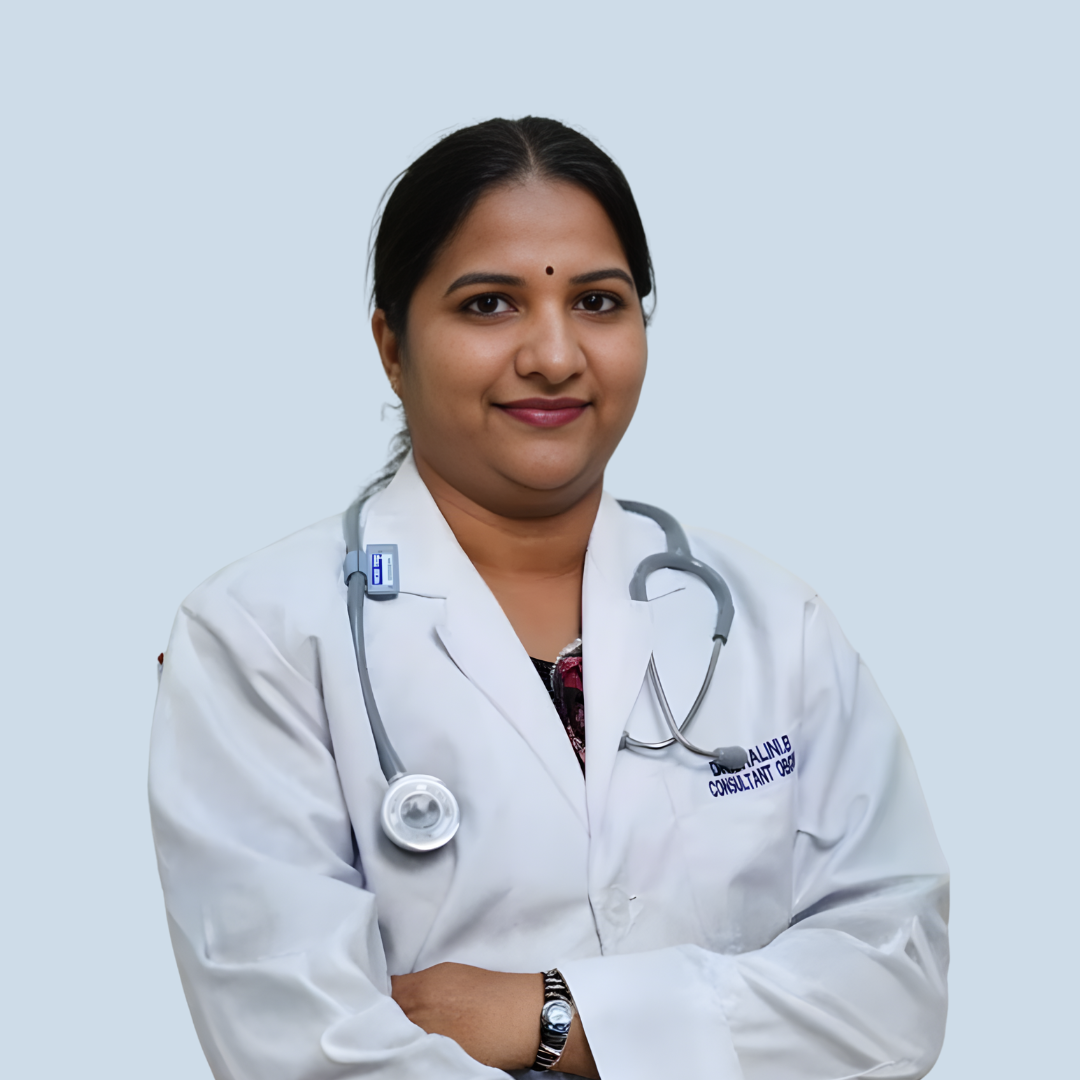
Dr. Shalini B
MBBS (Gold Medal), DGO, DNB (OB-GYN), Fellowship in Minimal Access Surgery
Senior Consultant Obstetrician & Gynaecologist | 5,000+ deliveries | 1,000+ laparoscopic surgeries
OPD: Monday-Saturday, 11:00 AM - 2:00 PM | Consultation: Rs. 750
Frequently Asked Questions About Laparoscopic vs Open Surgery
You May Also Like
Not sure which approach is right for you? Consult Dr. Shalini B for a personalised assessment.
📞 Call Now 💬 WhatsApp© 2026 Vivekananda Hospital, Begumpet, Hyderabad. For educational purposes only. Always consult your doctor for personal medical advice.