
Medically verified by: Dr. Arun Rathi, MS, MCh (Urology) & Dr. Surya Prakash B, MS, MCh (Urology)
Senior Consultants – Urology & Andrology, Vivekananda Hospital, Begumpet | 35+ years combined experience | 2,000+ stone procedures
📍 Serving patients from Begumpet, Ameerpet, Somajiguda, Punjagutta, Secunderabad, Banjara Hills, and Khairathabad
RIRS Cost in Hyderabad: Complete Guide 2026
Retrograde Intrarenal Surgery (RIRS) is a minimally invasive, advanced procedure used to treat kidney stones that are difficult to reach with other methods. Using a flexible ureteroscope passed through the urethra and bladder into the kidney, a laser is used to fragment stones into fine dust that can be passed naturally. RIRS is ideal for stones in the kidney that are too large for ESWL (Extracorporeal Shock Wave Lithotripsy) or located in areas where ESWL is less effective. At Vivekananda Hospital, Dr. Arun Rathi and Dr. Surya Prakash B perform RIRS using state‑of‑the‑art flexible scopes and high‑power lasers, offering high stone‑free rates with minimal discomfort and rapid recovery. This guide provides a transparent breakdown of RIRS costs in Hyderabad, what to expect, and how to prepare.
📌 Quick Facts: RIRS cost in Hyderabad ranges from ₹50,000 to ₹90,000 at Vivekananda Hospital (all‑inclusive). It is a 1‑2 day hospital stay procedure with a temporary double‑J stent usually left for 1‑2 weeks. Success rates exceed 85‑90% for stones up to 2 cm. No incisions, performed through natural passages.
What is RIRS and When is it Used?
RIRS is a minimally invasive endoscopic technique that allows the urologist to access the kidney through the natural urinary tract. A flexible ureteroscope is passed through the urethra, bladder, and ureter into the kidney. Once the stone is located, a laser fiber is used to fragment the stone into tiny particles (dust) that can be passed spontaneously. A temporary double‑J stent is often placed to aid healing and ensure proper drainage.
Ideal for:
- Kidney stones 1‑2 cm (larger stones may require multiple sessions or PCNL)
- Stones in difficult locations (lower pole, calyceal diverticulum) where ESWL may be less effective
- Stones that have failed ESWL
- Patients with bleeding disorders (safer than PCNL)
- Obese patients or those with anatomical challenges
Not suitable for:
- Very large stones (> 2 cm) – may require PCNL or staged RIRS
- Patients with untreated urinary tract infections
- Patients with severe urethral strictures that prevent scope passage
Your urologist will determine whether RIRS is the best option based on stone size, location, and your overall health.
How RIRS Costs Compare in Hyderabad
In Hyderabad, RIRS costs typically range from ₹55,000 to ₹1,00,000 across most private hospitals, depending on the technology used, stent placement, and hospital stay. At Vivekananda Hospital, our all‑inclusive RIRS package starts at ₹50,000 offering advanced flexible ureteroscopes, high‑power laser, expert urologists, and comprehensive care at a competitive price. No hidden charges, no surprise bills.
RIRS Cost at Vivekananda Hospital
We offer all‑inclusive packages for RIRS. The cost includes surgeon fee, anaesthesia, OT charges, flexible ureteroscope, laser equipment, double‑J stent, room rent, nursing, medications, and basic post‑operative care. Below are our starting prices:
| Room Type | RIRS (All‑Inclusive) |
|---|---|
| General Ward | ₹50,000 – ₹70,000 |
| Semi‑Private / Twin Sharing | ₹60,000 – ₹80,000 |
| Single Room | ₹70,000 – ₹90,000 |
For a personalised quote based on your stone size and room preference, call us at +91 7207904418.
Factors Affecting RIRS Cost
Larger or multiple stones require more laser energy and operative time.
Most patients require a temporary stent, which is included in the package.
Difficult access or kidney anomalies may increase procedure time.
Higher room categories increase the package cost as shown.
RIRS vs Other Stone Procedures: A Quick Comparison
| Factor | RIRS | ESWL | URS | PCNL |
|---|---|---|---|---|
| Incision | Through urethra (no cut) | None | Through urethra | Small incision in back |
| Anaesthesia | Spinal / General | Mild sedation | Spinal / General | General |
| Hospital stay | 1‑2 days | Same day | 1‑2 days | 3‑5 days |
| Recovery time | 3‑5 days | 1‑2 days | 3‑5 days | 4‑6 weeks |
| Best for | Kidney stones 1‑2 cm, difficult locations | Kidney stones < 1.5 cm | Ureteric stones < 2 cm | Stones > 2 cm, staghorn |
Pre‑Procedure Preparation
- Hydration: Drink plenty of water the day before to ensure your kidneys are well‑hydrated.
- Medications: Stop blood thinners (aspirin, clopidogrel, warfarin) 5‑7 days before as advised.
- Fasting: No food or drink for 6‑8 hours before the procedure.
- Bowel preparation: A mild laxative may be prescribed to clear the colon.
- Arrival: Bring your insurance card and a family member to drive you home.
Recovery After RIRS
Most patients resume normal activities within a week. Stent discomfort is common but temporary. Contact your doctor if you experience severe pain, fever, or inability to pass urine.
Post‑Procedure Care & Stone Prevention
- Hydration: Aim for 2.5‑3 litres of urine output per day.
- Diet: Reduce salt, animal protein, and oxalate‑rich foods (spinach, nuts, tea). Increase citrus fruits.
- Medication: Your urologist may prescribe potassium citrate or thiazide diuretics if needed.
- Follow‑up: Ultrasound or CT scan at 3‑6 months to check for recurrence.
Insurance & Cashless Coverage for RIRS
RIRS is covered by most health insurance policies when medically indicated. At Vivekananda Hospital, we offer cashless facility with:
- CGHS, ESI, Arogyabhadratha (with proper referral/approval)
- All major private insurers (Star Health, HDFC Ergo, ICICI Lombard, etc.)
- Corporate TPAs
Our dedicated insurance desk verifies your coverage before the procedure. For detailed cashless admission steps, see our Cashless Treatment Guide. For self‑paying patients, we offer 0% EMI options through GMoney and Bajaj Finserv.
Why Choose Vivekananda Hospital for RIRS?
- Expert urologists: Dr. Arun Rathi and Dr. Surya Prakash B with extensive experience in endourology and laser stone surgery.
- Advanced technology: High‑power holmium laser and flexible ureteroscopes for precise stone dusting.
- Transparent pricing: All‑inclusive packages with no hidden charges ₹50,000 starting price.
- Dedicated insurance desk: Cashless approvals for eligible patients.
- Central location: Easy access from all parts of Hyderabad.
Meet Our Urology Specialists

Dr. Arun Rathi
MS, MCh (Urology)
Senior Consultant – Urology & Andrology | 18 years experience | Specialises in endourology, uro‑oncology, and laparoscopic urology
OPD: Monday–Saturday, 7:00 PM – 8:00 PM
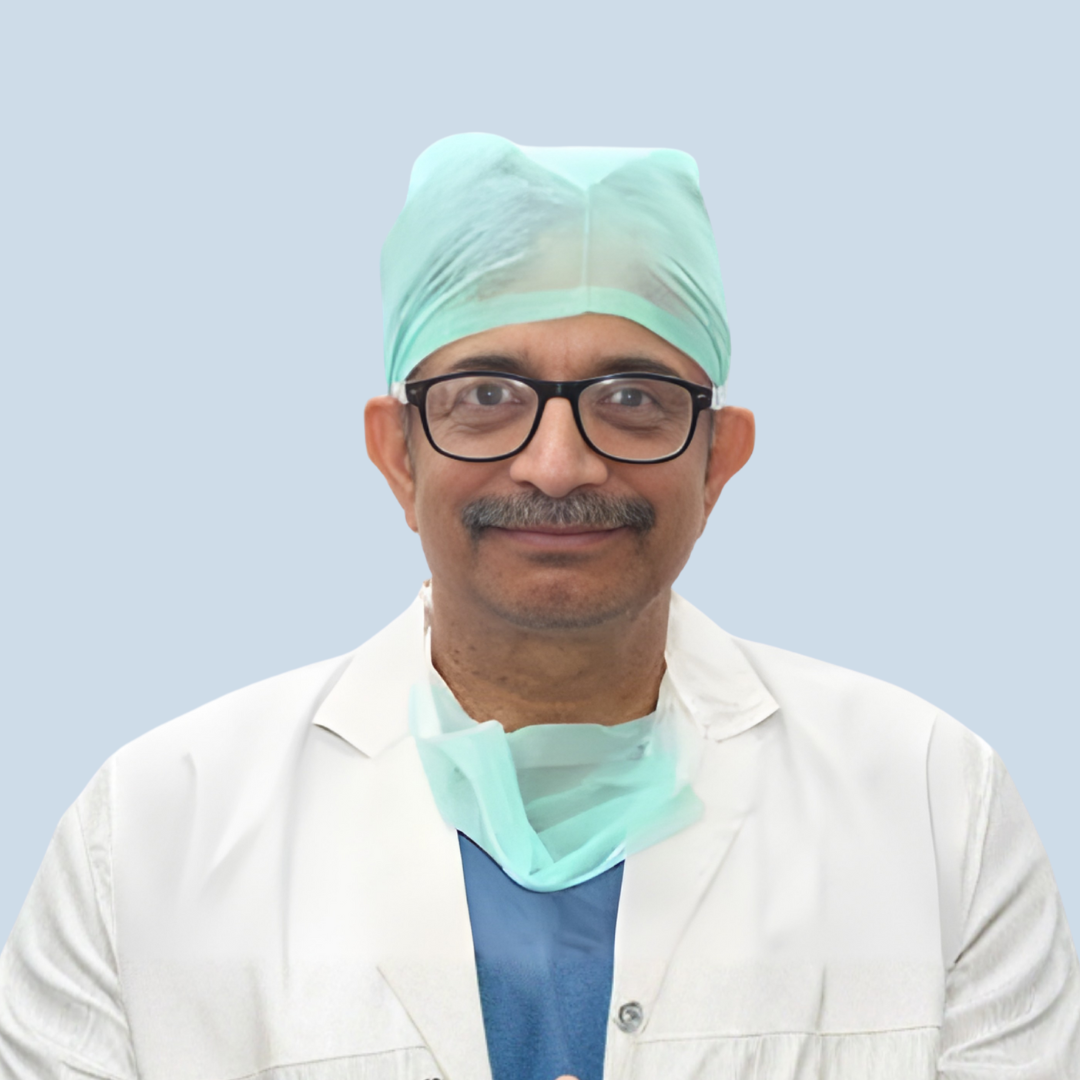
Dr. Surya Prakash B
MS, MCh (Urology)
Consultant – Urology & Kidney Transplant Surgery | 17 years experience (10 years as urologist) | Specialises in endourology, uro‑oncology, and andrology
OPD: Tuesday, Thursday & Saturday (evening)
Frequently Asked Questions About RIRS Cost
You May Also Like
Need RIRS for your kidney stone? Consult Dr. Arun Rathi or Dr. Surya Prakash B for a clear cost estimate.
📞 Call Now 💬 WhatsApp© 2026 Vivekananda Hospital, Begumpet, Hyderabad. For educational purposes only. Always consult your doctor for personal medical advice.