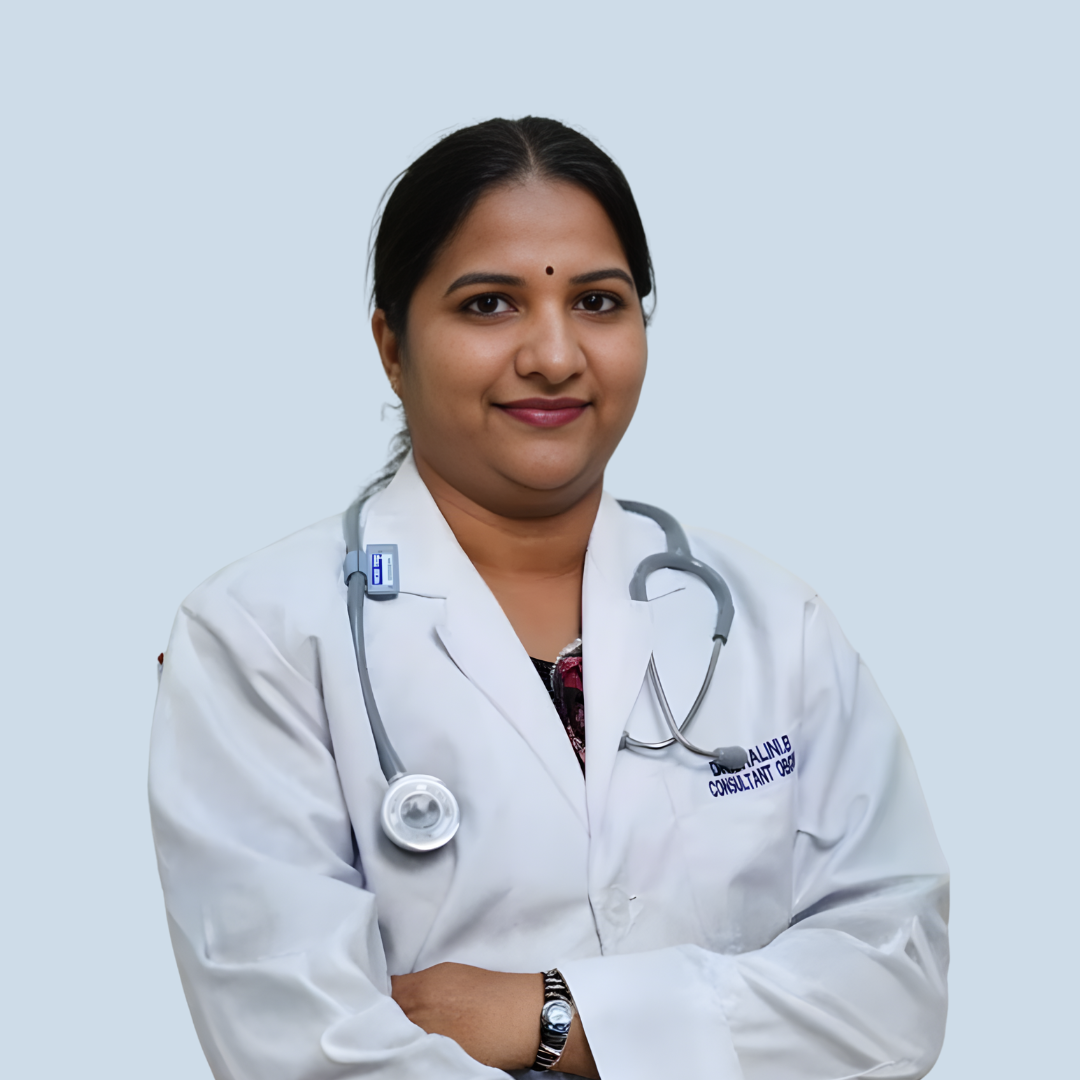
Medically verified by: Dr. Shalini B, MBBS (Gold Medal), DGO, DNB (OB-GYN), Fellowship in Minimal Access Surgery
Senior Consultant Obstetrician & Gynaecologist, Vivekananda Hospital, Begumpet | 5,000+ deliveries
📍 Serving families from Ameerpet, Somajiguda, Punjagutta, Secunderabad, Banjara Hills, and Khairathabad
Pregnancy Care Timeline Month by Month: Your Complete Guide for a Healthy Pregnancy
Whether you are a first-time mother or adding another member to your family, knowing what to expect each month of pregnancy helps you stay prepared and confident. This comprehensive guide takes you through each month from conception to the first weeks after birth with everything you need: fetal development, your body changes, doctor visits, essential tests, diet tips, checklists, and questions to ask Dr. Shalini B.
📌 Quick Reference: Pregnancy lasts 40 weeks (10 lunar months). First trimester (months 1–3) is crucial for organ formation; second trimester (4–6) is the growth phase; third trimester (7–9) prepares for delivery.
Pregnancy at a Glance
| Month | Trimester | Key Milestone | Key Doctor Visit / Test |
|---|
| 1 | First | Implantation, heartbeat | Confirm pregnancy, folic acid |
| 2 | First | Limb buds, facial features | Blood work (Hb, thyroid, infections) |
| 3 | First | NT scan, double marker | First trimester screening |
| 4 | Second | Energy returns, bump shows | Monthly checkup, BP, weight |
| 5 | Second | Anomaly scan, first movements | Anatomy scan (20–22 weeks) |
| 6 | Second | Fetal echo, glucose test | Gestational diabetes screening |
| 7 | Third | Growth scan, lung development | Visits every 2 weeks |
| 8 | Third | Baby turns head-down | Group B strep test |
| 9 | Third | Head engaged, ready for birth | Weekly visits, internal exam |
First Trimester (Months 1–3): The Foundation
Month 1 (Weeks 1–4)
👶 Baby’s Development: Fertilization, implantation, embryo forms. Heart begins to beat around week 6.
🤰 Your Body: Missed period, implantation spotting, breast tenderness, fatigue.
🏥 Doctor Visit: Confirm pregnancy (urine/blood test). First ultrasound to locate sac and check heartbeat. Start folic acid.
🍽️ Diet Tips: Folic acid‑rich foods: leafy greens, lentils, citrus fruits. Small frequent meals for nausea.
✅ Checklist: Choose obstetrician, stop alcohol/smoking, start prenatal vitamins.
❓ Ask Your Doctor: "Is the pregnancy located correctly? Is the heartbeat visible? What supplements should I take?"
⚠️ Danger Signs: Heavy bleeding, severe abdominal pain, fever.
Month 2 (Weeks 5–8)
👶 Baby’s Development: Size of kidney bean. Face shapes form (ears, nose, eyelids). Arms, legs, toes, fingers develop. Neural tube closes.
🤰 Your Body: Morning sickness peaks, frequent urination, mood swings.
🏥 Doctor Visit: Blood work (blood group, Hb, thyroid, glucose, infections like HIV, hepatitis B).
🍽️ Diet Tips: Ginger for nausea. Stay hydrated. Iron‑rich foods (drumsticks, dates, jaggery).
✅ Checklist: Register at hospital. Ask about insurance/maternity package.
❓ Ask Your Doctor: "Are my thyroid and blood sugar levels normal? Do I need any additional supplements?"
⚠️ Danger Signs: Persistent vomiting (unable to keep food down), fever, severe abdominal pain.
Month 3 (Weeks 9–12)
👶 Baby’s Development: Size of a banana (~2 inches). All organs formed. Baby makes small movements. Gender assigned (not visible yet).
🤰 Your Body: Nausea may subside. Slight belly bump visible.
🏥 Doctor Visit: NT scan + double marker test (11–13 weeks) for chromosomal abnormalities.
🍽️ Diet Tips: Calcium‑rich foods: milk, curd, paneer, almonds. Vitamin D: sunlight, fortified foods.
✅ Checklist: Complete first trimester tests. Discuss delivery plan options.
❓ Ask Your Doctor: "Are the NT scan results normal? Do I need any genetic counselling?"
⚠️ Danger Signs: Vaginal bleeding, severe headache, vision changes.
Second Trimester (Months 4–6): The Growth Phase
Month 4 (Weeks 13–16)
👶 Baby’s Development: Baby can blink. Heart and blood vessels fully developed. Fingertips form.
🤰 Your Body: Energy returns. Belly grows. Skin changes (linea nigra).
🏥 Doctor Visit: Routine monthly visit. Blood pressure, weight, urine check.
🍽️ Diet Tips: Protein: eggs, dal, soy, fish. Omega‑3: walnuts, flaxseeds.
✅ Checklist: Start wearing maternity clothes. Plan babymoon if travelling.
❓ Ask Your Doctor: "Is my weight gain on track? Am I at risk for gestational diabetes?"
Month 5 (Weeks 17–20)
👶 Baby’s Development: Baby makes faces, yawns, stretches, sucks thumb. You feel first movements (quickening). Weight ~280g.
🤰 Your Body: Visible bump. May feel round ligament pain.
🏥 Doctor Visit: Anomaly scan (20–22 weeks) – detailed anatomy scan of all organs (brain, heart, spine, limbs, kidneys, etc.).
🍽️ Diet Tips: Continue protein and calcium. Iron‑rich foods for rising blood volume.
✅ Checklist: Schedule anomaly scan. Start pelvic floor exercises.
❓ Ask Your Doctor: "Did the anomaly scan show all organs developing normally? Is the placenta position normal?"
Month 6 (Weeks 21–24)
👶 Baby’s Development: Baby responds to sound (your voice, music). Sleep‑wake cycles begin. Weight ~640g.
🤰 Your Body: Braxton Hicks contractions may start. Back pain common.
🏥 Doctor Visit: Fetal echocardiography (22–24 weeks) – detailed heart scan. Glucose challenge test for gestational diabetes.
🍽️ Diet Tips: Fiber‑rich foods (oats, fruits, vegetables) for constipation. Stay hydrated.
✅ Checklist: Prepare hospital bag list. Discuss pain relief options (epidural, etc.).
❓ Ask Your Doctor: "Do I have gestational diabetes? Is the baby's heart structure normal on echo?"
Third Trimester (Months 7–9): The Final Stretch
Month 7 (Weeks 25–28)
👶 Baby’s Development: Baby changes position often. Lungs developing. Weight ~850g. Can survive if born now (with NICU support).
🤰 Your Body: Increased fatigue. Shortness of breath. Sleep difficulties.
🏥 Doctor Visit: Visits every 2 weeks. Tdap vaccine. Growth scan.
🍽️ Diet Tips: Small, frequent meals for heartburn. Iron and protein for baby's rapid growth.
✅ Checklist: Finalize hospital. Confirm insurance cashless approval. Attend birthing classes.
❓ Ask Your Doctor: "What is the baby's position? Should I prepare for C‑section if breech?"
Month 8 (Weeks 29–32)
👶 Baby’s Development: Fat layer forms. Baby doubles weight (~1800g). Moves a lot.
🤰 Your Body: Colostrum may leak. Swollen feet. Braxton Hicks more frequent.
🏥 Doctor Visit: Visits every 2 weeks. Check baby's position. Group B strep test.
🍽️ Diet Tips: Dates (for labour preparation). Stay hydrated. Avoid spicy foods if heartburn.
✅ Checklist: Pack hospital bag. Install car seat. Plan postpartum help.
❓ Ask Your Doctor: "Is the baby head‑down? When should I come to the hospital for labour?"
Month 9 (Weeks 33–40)
👶 Baby’s Development: Head engages in pelvis. Weight 2.5–3.5 kg, length ~18 inches. Lungs and brain fully developed.
🤰 Your Body: Increased pelvic pressure. Frequent urination. Irregular contractions.
🏥 Doctor Visit: Weekly visits. Internal exam to check cervix dilation/effacement.
🍽️ Diet Tips: Easily digestible foods. Vitamin K‑rich (leafy greens) for blood clotting. Fiber for constipation.
✅ Checklist: Confirm birthing plan. Keep phone charged. Have transport ready.
❓ Ask Your Doctor: "When should I come to the hospital? What signs indicate labour? What if I go past my due date?"
⚠️ Danger Signs (any trimester): Bleeding, gush of fluid, severe headache, blurry vision, chest pain, decreased baby movement.
Postpartum Timeline: What Happens After Birth (6 Weeks)
Most pregnancy guides stop at delivery, but your recovery is just as important. Here is what to expect in the first six weeks after birth – whether you had a normal delivery or C‑section.
| Time | Physical Recovery | Emotional Health | Breastfeeding | Doctor Visit |
|---|
| First 24h | Rest, ice packs for perineum, pain meds | Bonding with baby | First feed within 1 hour | Nurses monitor bleeding, BP |
| Week 1 | Walking slowly, wound care (C‑section) | Baby blues (mood swings) | Latch support, nipple care | Stitch removal if non‑absorbable |
| Week 2 | Lochia (bleeding) lightens | Seek help if sadness persists | Milk supply established | Paediatric visit for baby |
| Week 6 | Full checkup | Postpartum depression screening | Exclusive breastfeeding | Mother’s checkup, contraception counselling |
C‑section specific: Hospital stay 4–5 days, avoid heavy lifting for 6 weeks, scar care, driving after 4–6 weeks.
Financial Support: Government Schemes for Pregnant Women
Many families are unaware of government schemes that reduce out‑of‑pocket expenses. Below are the main ones:
| Scheme | Benefit | Eligibility |
|---|
| Janani Suraksha Yojana (JSY) | Cash incentive for institutional delivery | BPL families, rural women |
| Janani Shishu Suraksha Karyakram (JSSK) | Free delivery, C‑section, medicines, diagnostics, transport | All pregnant women in public health institutions |
| Pradhan Mantri Matru Vandana Yojana (PMMVY) | Cash transfer for first child | Pregnant and lactating women |
| Ayushman Bharat (PM‑JAY) | Health insurance up to ₹5 lakh per family | Bottom 40% population |
At Vivekananda Hospital: We are empanelled with CGHS, ESI, Arogyabhadratha, and 25+ private insurers. Our insurance desk handles cashless approvals.
Digital Health Resources for Indian Mothers
- Kilkari – Free weekly audio messages on pregnancy care. Dial 1800-180-1104 or register at your ASHA.
- Ayushman Bharat Digital Mission (ABDM) – Create digital health records and access health facilities online.
- WhatsApp Support – Many hospitals offer pregnancy guidance via WhatsApp. Ask Dr. Shalini B’s team for details.
Frequently Asked Questions About Pregnancy Timeline
1. How do I calculate my pregnancy due date?+
Your due date is calculated as 40 weeks (280 days) from the first day of your last menstrual period. An early ultrasound can refine the date.
2. Is it safe to travel during pregnancy?+
Generally, travel is safe in the second trimester (months 4–6). Avoid long travel in the third trimester. Always consult Dr. Shalini B before planning.
3. When will I feel the baby move?+
Most women feel first movements (quickening) between 18 and 22 weeks. If you haven’t felt anything by 24 weeks, inform your doctor.
4. What tests are mandatory each trimester?+
First trimester: NT scan, double marker. Second: anomaly scan, fetal echo, glucose test. Third: growth scans, Group B strep. Your doctor may add tests based on your health.
5. Can I have normal delivery after C‑section (VBAC)?+
Yes, many women can. Dr. Shalini B evaluates your scar, reason for previous C‑section, and current pregnancy to determine if VBAC is safe.
6. What is the cost of delivery at Vivekananda Hospital?+
Normal delivery starts at ₹45,000; painless delivery at ₹55,000; C‑section at ₹65,000 (mother’s package). Baby charges additional. Cashless insurance available.
7. How do I get cashless insurance approval?+
Inform our insurance desk at least 2 weeks before your due date for elective delivery. For emergencies, we process approval in parallel. We accept CGHS, ESI, Arogyabhadratha, and 25+ private insurers.
8. What are the signs of preterm labour?+
Regular contractions before 37 weeks, lower back pain, pelvic pressure, vaginal bleeding, or fluid leakage. Contact your doctor immediately.
9. Is it safe to exercise during pregnancy?+
Yes, moderate exercise like walking, swimming, and prenatal yoga is beneficial. Avoid high‑impact activities or lying flat after the first trimester.
10. When should I stop working before delivery?+
Most women stop around 36–38 weeks, but it depends on your health, job demands, and comfort. Discuss with Dr. Shalini B.
Dr. Shalini B
MBBS (Gold Medal), DGO, DNB (OB-GYN), Fellowship in Minimal Access Surgery
Senior Consultant Obstetrician & Gynaecologist | 5,000+ deliveries | 10+ years experience
OPD: Monday–Saturday, 11:00 AM – 2:00 PM | Consultation: Rs. 750
You May Also Like
Need personalised guidance through your pregnancy? Book a consultation with Dr. Shalini B.
📞 Call Now
💬 WhatsApp
© 2026 Vivekananda Hospital, Begumpet, Hyderabad. For educational purposes only. Always consult your doctor for personal medical advice.