
Physiotherapy and Rehabilitation at Vivekananda Hospital, Begumpet
A knee replacement without physiotherapy gives a stiff knee. A shoulder surgery without range-of-motion exercises leads to frozen shoulder. A stroke patient who does not start rehab early loses the window for maximum recovery. Surgery fixes the structure, but physiotherapy restores the function. At Vivekananda Hospital, the physiotherapy department is not a separate clinic across the city where patients go after they are discharged. It is inside the hospital, in the same building where the surgery happens. Dr. Manjunath M, who holds a BPT and a Diploma in Sports Medicine, starts rehab at the bedside while the patient is still admitted and continues it as outpatient sessions after discharge. He works directly with the orthopaedic surgeons, neurosurgeons, and other specialists in the hospital, which means the physio programme is planned together with the operating team, not independently.
Physiotherapy at Vivekananda Hospital
The physiotherapy department at Vivekananda Hospital serves two types of patients. The first are inpatients: people who have just had surgery or are admitted in the ICU or ward and need bedside rehabilitation. A patient who had a knee replacement yesterday needs to start walking today. An ICU patient on a ventilator needs chest physiotherapy to keep the lungs clear. A stroke patient needs early mobilisation to prevent contractures and improve the chances of regaining movement. Dr. Manjunath visits these patients at the bedside, coordinates with the treating doctor, and starts the rehabilitation programme during the hospital stay itself.
The second are outpatients: people who come from home for their physio sessions. This includes patients continuing their post-surgical rehab after discharge, people with chronic back pain or neck pain, patients with frozen shoulder, athletes recovering from sports injuries, and elderly patients with arthritis or balance problems. The outpatient physiotherapy department is equipped with therapy equipment for exercises, electrotherapy modalities, traction, and manual therapy techniques.
Dr. Manjunath M holds a BPT (Bachelor of Physiotherapy) and a Diploma in Sports Medicine. The sports medicine training is relevant because a large proportion of the patients he treats are recovering from orthopaedic surgery or sports injuries, both of which require an understanding of how the body moves under load, how tissues heal after trauma, and how to progress exercises without re-injuring the repaired structure. He has 10+ years of experience and works closely with the orthopaedics department (Dr. Krishna Y and Dr. Shiv Sandeep), the neurology and neurosurgery department, and the podiatry department (Dr. Rajasekhar) to plan and execute rehabilitation programmes.
He has both morning and evening OPD slots (11 AM to 1 PM and 6 PM to 7:30 PM), which means working professionals and IT employees in the Begumpet, Ameerpet, and Somajiguda area can come for physio sessions after office hours without taking leave.
Conditions Treated with Physiotherapy
Post-Surgical Rehabilitation
Musculoskeletal and Pain Conditions
Sports Injuries
Neurological and Other Conditions
Physiotherapy Services
Inpatient Physiotherapy (Bedside Rehab)
Post-Surgical Bedside Rehabilitation
Rehabilitation starts on day one after surgery. After knee replacement, the physiotherapist helps the patient stand, take the first steps with a walker, and begin range-of-motion exercises while still admitted. After fracture fixation, gentle exercises begin as soon as the surgeon clears them. After spine surgery, mobilisation is done with specific precautions to protect the surgical site. The surgeon tells the physiotherapist what was done and what the limits are, and the physio programme is built around those instructions.
ICU Physiotherapy
ICU patients, especially those on ventilators or who have been bed-bound for days, need chest physiotherapy to keep the lungs clear and prevent pneumonia. Positioning, breathing exercises, secretion clearance, and early limb mobilisation are done at the bedside by Dr. Manjunath in coordination with the ICU team. For patients being weaned off the ventilator, breathing exercises help strengthen the respiratory muscles.
Stroke and Neuro Rehab (Early Phase)
The first few weeks after a stroke are the most important for recovery. Early mobilisation, positioning to prevent contractures, passive and active-assisted exercises for the affected limbs, and sitting and standing balance training all start during the hospital stay. The earlier this begins, the better the long-term outcome. The physiotherapist works with the neurologist to track progress and adjust the programme.
Outpatient Physiotherapy
Post-Surgical Continuation Rehab
Patients discharged after joint replacement, ACL reconstruction, rotator cuff repair, or fracture surgery return to the department for ongoing physio sessions. The programme progresses from basic range-of-motion and strengthening to functional training (climbing stairs, squatting, walking on uneven surfaces). The endpoint is when the patient can do their daily activities without pain or limitation.
Back and Neck Pain Management
Chronic low back pain, cervical spondylosis, sciatica, and disc-related pain are treated with a combination of manual therapy, exercises to strengthen the core and spinal muscles, postural correction, and electrotherapy modalities. The goal is to reduce pain and teach the patient how to manage the condition with home exercises so they do not become dependent on physio visits for the rest of their life.
Sports Injury Rehabilitation
Dr. Manjunath's Diploma in Sports Medicine means he understands the demands of returning to sport after an injury. A cricket player with a shoulder injury has different recovery goals than an office worker with the same injury. Sports rehab includes progressive loading, sport-specific drills, agility and proprioception training, and a structured return-to-play timeline. He coordinates with the orthopaedic team for patients who also had surgery.
Frozen Shoulder and Joint Mobilisation
Frozen shoulder (adhesive capsulitis) causes progressive stiffness and pain that can take months to resolve. Treatment involves manual joint mobilisation techniques, stretching, and a structured exercise programme done both in the clinic and at home. In cases where manual therapy alone is not enough, the orthopaedic surgeon may do manipulation under anaesthesia, and the physiotherapist takes over immediately after to maintain the gained range.
Electrotherapy and Modalities
The department uses ultrasound therapy, TENS (transcutaneous electrical nerve stimulation), IFT (interferential therapy), short wave diathermy, hot and cold packs, wax bath, and traction (cervical and lumbar) as part of the treatment plan. These modalities are used alongside exercises, not as standalone treatments. They help with pain relief, inflammation control, and tissue healing while the exercise programme addresses the underlying problem.
Pre and Post-Natal Physiotherapy
Exercises during pregnancy to manage back pain, strengthen the pelvic floor, and prepare the body for delivery. After delivery, recovery exercises for the abdominal muscles, pelvic floor rehabilitation, and guidance on safe return to physical activity. The physiotherapist coordinates with the obstetrics and gynaecology department for patients with specific post-delivery concerns.
Meet Your Physiotherapist
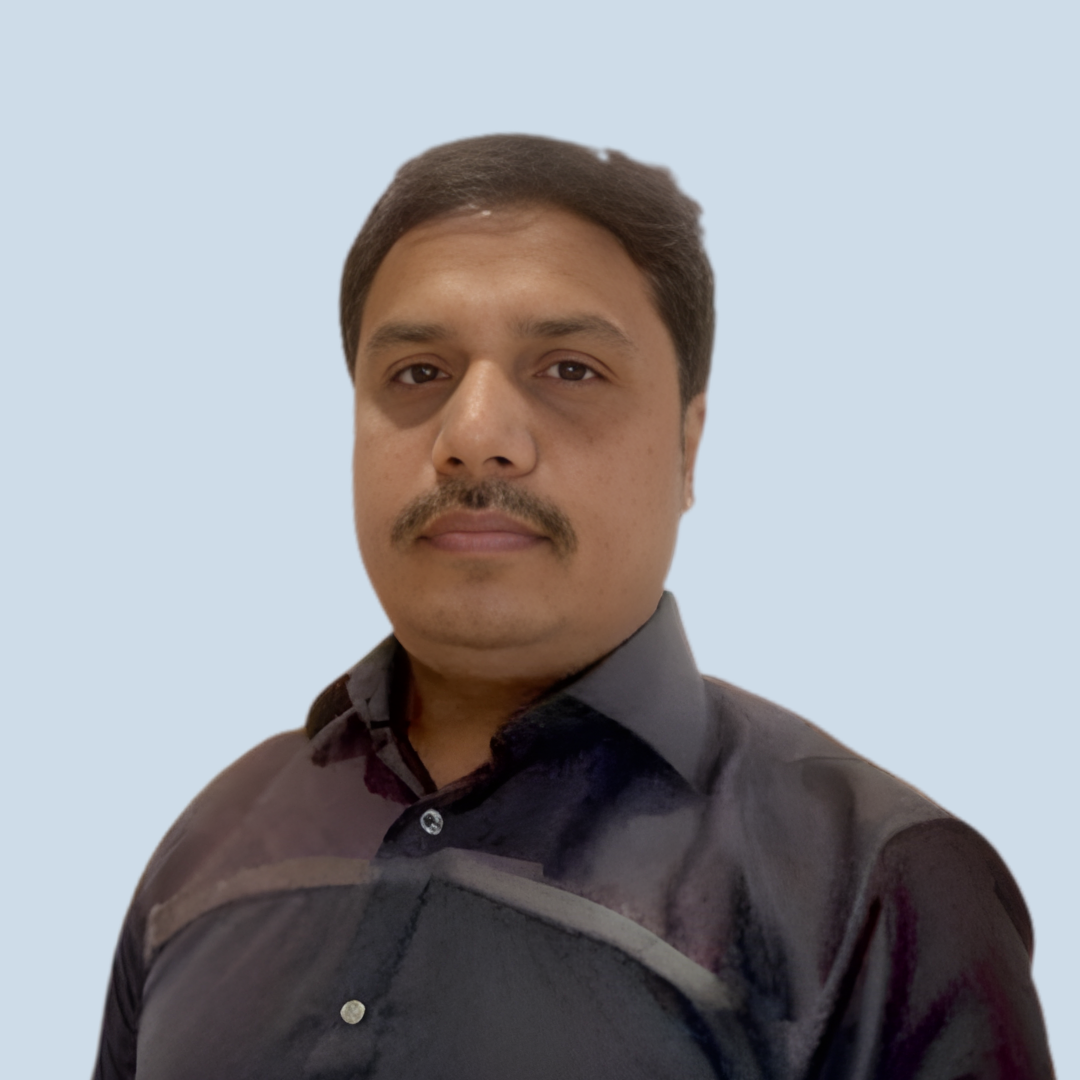
Dr. Manjunath M
Dr. Manjunath is the Consultant Physiotherapist at Vivekananda Hospital with 10+ years of clinical experience. His BPT gives him the foundation in anatomy, exercise physiology, and rehabilitation techniques, and his Diploma in Sports Medicine adds the specific training in managing sports injuries, understanding tissue healing timelines, and designing return-to-activity programmes. At a hospital that performs knee replacements, ACL reconstructions, spine surgeries, and manages stroke patients, having a physiotherapist who understands both surgical recovery and sports-level rehabilitation is important. He handles the full range: bedside ICU rehab for critically ill patients, day-one walking after joint replacement, progressive strengthening after fracture fixation, sport-specific conditioning for athletes, and chronic pain management for patients with back, neck, and shoulder problems. He has both morning and evening OPD slots, which makes him accessible to patients who work during the day.
Why Choose Us for Physiotherapy
Hospital-Based Physio, Not a Standalone Clinic
The physiotherapist and the surgeon are in the same building. After knee replacement, the surgeon tells the physiotherapist exactly what implant was used, how stable the fixation is, and when to start bending the knee. That level of communication does not happen when the surgery is at one hospital and the physio is at a clinic across the city. Continuity between surgery and rehab is what produces the best recovery outcomes.
Inpatient and Outpatient Under One Roof
Rehab starts at the bedside during the hospital stay and continues as outpatient visits after discharge. The same physiotherapist handles both phases. There is no handover to a new therapist who does not know what surgery was done or what the precautions are. One physiotherapist, one programme, from day one to full recovery.
Sports Medicine Training
Dr. Manjunath's Diploma in Sports Medicine means he understands tissue healing timelines, progressive loading principles, and sport-specific rehabilitation. This training matters for ACL rehab, rotator cuff recovery, and any patient who wants to return to an active lifestyle after injury or surgery, not just sit in a chair without pain.
Morning and Evening OPD Slots
11 AM to 1 PM and 6 PM to 7:30 PM, six days a week. Most standalone physio clinics in the Begumpet area offer only daytime slots. The evening slot at Vivekananda means IT professionals, shopkeepers, and office workers in the Ameerpet and Somajiguda area can get their physio done after work.
Integrated with Every Surgical Department
The physio department supports orthopaedics (joint replacement, fractures, sports injuries), neurosurgery (spine surgery, stroke), ICU (chest physio, early mobilisation), OB-GYN (pre/post-natal), and podiatry (foot rehab). One physiotherapist connected to all these departments means cross-specialty rehabilitation planning.
CGHS and Insurance Cashless
Physiotherapy sessions for both inpatients and outpatients are available on cashless basis for CGHS, ESI, and over 25 private insurance companies. Rehab after joint replacement or spine surgery can require 15 to 20 sessions, so insurance coverage makes a significant difference in the total cost of recovery.
Frequently Asked Questions
Consult Dr. Manjunath M
Contact
Call: +91 7207904418
WhatsApp: +91 7207904418
6-3-871/A, Greenlands Road, Beside CM Camp Office, Begumpet, Hyderabad 500016