
Podiatry, Diabetic Foot Care, and Foot-Ankle Surgery at Vivekananda Hospital, Begumpet
India has over 100 million people with diabetes, and the foot is where diabetes does some of its worst damage. Nerve damage means you cannot feel a nail in your shoe. Blood vessel damage means a small wound takes weeks to heal. A blister becomes an ulcer, the ulcer gets infected, the infection reaches bone, and suddenly the conversation is about saving the foot. Most of this is preventable if a diabetic patient sees a foot specialist before the damage becomes visible. Dr. V. Rajasekhar is a podiatrist and foot-ankle surgeon who trained in the UK. He has an MSc from Cardiff University and an MPhil in Foot and Ankle from Salford University. He has been practising for 32+ years and is a member of the Diabetic Foot Society of India and the International Foot and Ankle Biomechanics group. At Vivekananda Hospital, he runs a full podiatry and diabetic foot department with neuropathy screening, foot pressure analysis, vascular assessment, wound care, diabetic foot surgery, and custom therapeutic footwear. He also treats all non-diabetic foot and ankle conditions including fractures, sprains, bunions, heel pain, Achilles tendon problems, and rheumatoid foot disease.
MPhil Salford
Society Member
Biomechanics
Podiatry and Diabetic Foot Care at Vivekananda Hospital
Most hospitals in Hyderabad do not have a dedicated podiatry or diabetic foot department. Diabetic foot problems are usually handled by the general surgeon or the orthopaedic surgeon, neither of whom has specific training in foot biomechanics, diabetic neuropathy screening, or therapeutic footwear prescription. At Vivekananda Hospital, there is a standalone department for this, run by a doctor who did not just add "diabetic foot" to his list of services but actually went to the UK twice to study foot and ankle medicine at the postgraduate level.
Dr. V. Rajasekhar completed his MBBS at Guntur Medical College in 1990 and his Diploma in Orthopaedics from JJM Medical College, Bangalore, in 1992. He then went to the UK and completed an MSc in Orthopaedics from the Wales College of Medicine at Cardiff University in 1994, followed by an MPhil in Foot and Ankle from the Institute of Human Performance at Salford University in 1996. Salford University's foot and ankle programme is one of the most recognised in the UK for podiatric biomechanics research. That training gave him a clinical framework that most Indian orthopaedic surgeons do not have: the ability to analyse how a foot distributes pressure during walking, identify the areas at risk for breakdown, and design interventions (surgical and non-surgical) to correct those patterns.
He has 32+ years of clinical experience and has worked at Apollo Hospitals, CARE Hospitals, Vasavi Hospital, Basavatarakam Cancer Hospital, KIMS Sunshine, and several other institutions in Hyderabad before establishing his own SAFE STEPS Specialty Foot and Ankle Clinic in Punjagutta. He is a member of the Diabetic Foot Society of India (DFSI), the International Foot and Ankle Biomechanics group (IFAB), and the Indian Medical Association (IMA). He consults at Vivekananda Hospital five days a week.
The department handles two broad categories of patients. The first is diabetic foot patients: screening for neuropathy and vascular insufficiency, wound care for existing ulcers, surgery for infected or gangrenous tissue, and preventive footwear to stop ulcers from forming in the first place. The second is general foot and ankle conditions: fractures, ankle sprains, ligament tears, plantar fasciitis, bunions, Achilles tendon injuries, flat feet, rheumatoid foot, and foot tumours. Because Vivekananda Hospital is a multispecialty hospital, diabetic foot patients who also need nephrology (many diabetics also have kidney disease), cardiology, or internal medicine input get it in the same building.
Foot, Ankle, and Diabetic Foot Conditions
Diabetic Foot
General Foot and Ankle
Diabetic Foot Care, Diagnostics, and Surgery
Diabetic Foot Screening and Prevention
Biothesiometry (Neuropathy Screening)
A biothesiometer measures the vibration perception threshold in the feet. Diabetic patients lose this sensation gradually as the nerves get damaged. The test is painless: a probe is placed on the foot and the vibration intensity is slowly increased until the patient feels it. A high threshold means significant neuropathy and a high risk of developing ulcers because the patient cannot feel pain, heat, or pressure normally. This test should be done annually for every diabetic patient.
Foot Pressure Analysis (Pedography)
A pressure platform or in-shoe sensor system maps exactly how much pressure each part of the foot bears during standing and walking. Areas of abnormally high pressure are where ulcers are most likely to form. This data is used to design custom insoles or therapeutic footwear that redistributes weight away from the danger zones. Dr. Rajasekhar's MPhil from Salford University focused on foot and ankle biomechanics, so this is directly within his area of research training.
Vascular Doppler Assessment
A Doppler ultrasound checks blood flow in the arteries of the lower leg and foot. Diabetes damages blood vessels and reduces circulation to the feet, which is why wounds heal slowly and infections spread quickly. The ankle-brachial index (ABI) measured by Doppler tells the doctor whether blood supply is adequate for wound healing or whether vascular intervention is needed before foot surgery can be attempted.
Custom Therapeutic Footwear
Off-the-shelf shoes are not designed for diabetic feet. They create pressure points that the patient cannot feel because of neuropathy. Custom therapeutic footwear is designed based on the individual patient's foot pressure analysis. The sole is moulded to redistribute weight, the inner lining reduces friction, and the fit prevents rubbing that leads to blisters and ulcers. Dr. Rajasekhar prescribes these after assessing the foot pressure map and the patient's walking pattern.
Diabetic Foot Surgery
Wound Debridement
Dead, infected, or non-viable tissue in a diabetic foot wound prevents healing. Surgical debridement removes this tissue down to healthy, bleeding tissue so the wound can start healing properly. This may need to be done more than once depending on how the wound responds. Dr. Rajasekhar assesses each wound individually and decides the extent of debridement needed.
Abscess Drainage and Infection Control
Deep foot infections in diabetics can form abscesses between the tendons and bones of the foot. These need surgical drainage, not just antibiotics. The pus is drained, infected tissue is removed, and the wound is left open to heal from the inside out with regular dressing changes. Post-operative antibiotics are guided by culture and sensitivity testing.
Limb Salvage Surgery
The goal of every diabetic foot surgery is to save as much of the foot as possible. Toe amputations, ray amputations (removing a toe along with part of the metatarsal), and midfoot amputations are performed when the affected portion is beyond saving but the rest of the foot can be preserved. A partial foot is always better than a below-knee amputation for the patient's ability to walk and live independently.
Tendon and Bone Procedures
Diabetic neuropathy causes muscle imbalance that leads to claw toes, hammer toes, and bony prominences that create pressure points. Surgical correction of these deformities removes the cause of the ulcer, not just the ulcer itself. Tendon transfers, tendon lengthening, and bony prominences removal are done to create a more stable foot that is less likely to break down again.
General Foot and Ankle Surgery
Ankle and Foot Fracture Fixation
Ankle fractures, calcaneal (heel bone) fractures, metatarsal fractures, and other foot bone fractures are treated with plates, screws, or wiring as needed. Dr. Rajasekhar's orthopaedic training and 32 years of experience cover the full range of foot and ankle fracture patterns.
Bunion Correction and Toe Deformity Surgery
Bunions (hallux valgus) that cause pain and make it difficult to wear shoes are corrected surgically by realigning the big toe joint. Hammer toe and claw toe deformities are corrected with tendon release and bone procedures. These are day-care or one-night stay procedures.
Achilles Tendon Repair
A ruptured Achilles tendon needs surgical repair followed by a structured rehabilitation programme. The tendon is stitched back together and the ankle is protected in a cast or boot for several weeks while healing occurs. The physiotherapy department manages the recovery programme.
Plantar Fasciitis and Heel Pain Management
Most heel pain responds to targeted physiotherapy, stretching, orthotics, and sometimes steroid or PRP injections. Surgery is only considered after 6 to 12 months of failed conservative treatment. Dr. Rajasekhar follows a step-by-step approach: diagnose the exact cause (not all heel pain is plantar fasciitis), start with non-surgical treatment, and operate only if nothing else works.
Meet Your Foot and Ankle Specialist
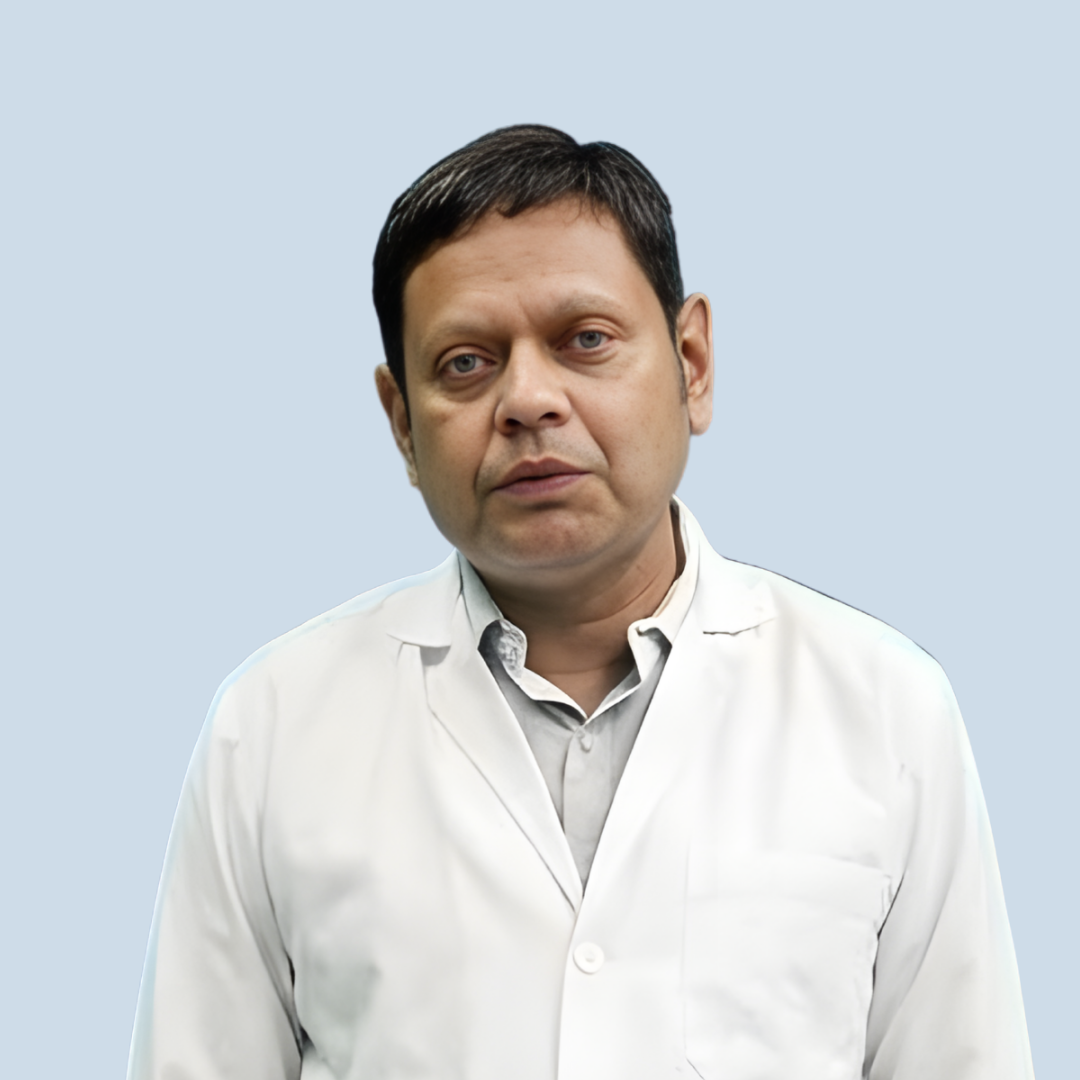
Dr. V. Rajasekhar
Dr. Rajasekhar is one of the very few foot and ankle specialists in Hyderabad who has UK postgraduate qualifications specifically in this field. His MSc from Cardiff gave him the orthopaedic surgical foundation, and his MPhil from Salford gave him the biomechanical understanding of how feet work under load, how diabetic feet fail, and how to intervene before a small problem becomes a surgical emergency. He has been practising for over 32 years and has worked at some of the largest hospitals in Hyderabad including Apollo, CARE, Vasavi, Basavatarakam, and KIMS Sunshine before establishing SAFE STEPS Specialty Foot and Ankle Clinic in Punjagutta. He consults at Vivekananda Hospital five days a week across morning and afternoon slots. His clinical range covers diabetic foot screening, diabetic wound management, diabetic foot surgery (debridement, amputation, limb salvage), custom therapeutic footwear, ankle and foot fractures, bunion correction, Achilles tendon repair, plantar fasciitis, and rheumatoid foot care. He is a member of the Diabetic Foot Society of India, International Foot and Ankle Biomechanics, and the Indian Medical Association.
Tue, Sat: 2 PM - 5 PM
Why Choose Us for Foot, Ankle, and Diabetic Foot Care
UK-Trained Foot and Ankle Specialist
Dr. Rajasekhar has an MSc from Cardiff University and an MPhil from Salford University, both in the UK. These are not honorary titles or online certifications. He physically went to the UK in the mid-1990s and completed two postgraduate programmes in orthopaedics and foot-ankle biomechanics. That training shaped how he approaches foot problems: with measurement, analysis, and prevention, not just surgery.
Dedicated Podiatry Department (Not a Side Service)
At most hospitals, diabetic foot is a side service offered by the general surgeon between hernia repairs and appendectomies. At Vivekananda Hospital, it is a standalone department with its own doctor, its own diagnostic equipment (biothesiometer, pedography, Doppler), and its own treatment protocols. The difference shows up in outcomes.
Full Diagnostic Setup for Diabetic Feet
Biothesiometry for neuropathy grading, foot pressure analysis for identifying at-risk areas, and vascular Doppler for checking blood flow. These three tests together give a complete picture of a diabetic foot's risk level. Most hospitals only check blood sugar and look at the wound. That is not enough. The screening tells you why the wound happened and how to stop the next one.
All Diabetic Foot Surgeries On Site
From wound debridement to abscess drainage to toe amputation to midfoot amputation to tendon correction. Whatever surgical intervention a diabetic foot needs, it is done at this hospital. The surgery is backed by the ICU (for post-op monitoring of critically ill diabetics) and the lab (for blood sugar management and culture-guided antibiotics).
Multispecialty Backup for Diabetic Patients
A diabetic patient with a foot ulcer rarely has just a foot problem. They usually also have uncontrolled sugar, kidney issues, heart disease, or hypertension. At Vivekananda Hospital, the internal medicine team, nephrologist, cardiologist, and ophthalmologist are all in the same building. One hospital manages the entire patient, not just the foot.
CGHS and Insurance Cashless
Podiatry consultations, diabetic foot screening, wound care, foot surgery, and custom footwear consultations are available on cashless basis for CGHS, ESI, and over 25 private insurance companies. Diabetic foot care is a long-term need, not a one-time visit, so insurance coverage makes a real difference.
Frequently Asked Questions
Consult Dr. V. Rajasekhar
Contact
Call: +91 7207904418
WhatsApp: +91 7207904418
6-3-871/A, Greenlands Road, Beside CM Camp Office, Begumpet, Hyderabad 500016