
General Physician in Begumpet, Hyderabad: Conditions, When to Consult, OPD Guide
Fever, diabetes, blood pressure, thyroid, fatigue, or a health report you don't understand? A general physician is your first stop, and usually your only one. Here is what our Begumpet OPD treats, when to consult, and how to book. Reviewed by Dr. Ravi Sishir Reddy.
Talk to Us on WhatsApp Call +91 7207904418
Go to Hospital Immediately If You See These
Chest pain or pressure, breathlessness, pain spreading to the arm or jaw, sudden weakness or slurred speech, fainting, fever with bleeding gums or black stools, severe abdominal pain, or repeated vomiting. These need emergency care, not an OPD appointment. Call +91 7207904418, our emergency department is open 24 hours.
Key Takeaways
- A general physician is the right first consultation for fever, diabetes, blood pressure, thyroid problems, fatigue, and most new symptoms.
- Our general medicine OPD in Begumpet runs Monday to Saturday with three MD physicians, including an MRCP UK qualified diabetes specialist.
- Fever lasting beyond 3 days in Hyderabad's monsoon needs testing for dengue, typhoid, and malaria, not another round of self-medication.
- According to the ICMR-INDIAB study, 101 million Indians live with diabetes and 136 million have prediabetes, and most cases are picked up by a general physician, not a specialist.
- Book a general medicine consultation on WhatsApp at +91 7207904418 and usually get a same-week OPD slot.
A general physician in Hyderabad is the doctor who looks at the whole patient before anyone reaches for a specialist. Vivekananda Hospital's general medicine OPD in Begumpet handles fever, diabetes, blood pressure, thyroid disorders, infections, and routine health checks, Monday to Saturday, with walk-in and WhatsApp booking. This guide covers what our physicians treat, when to consult, and how the OPD works.
What does a general physician in Hyderabad treat?
A general physician (also called an internal medicine doctor) diagnoses and treats adult illnesses that don't need surgery. That covers fevers and infections, diabetes, hypertension, thyroid disease, cholesterol, breathing problems, stomach complaints, headaches, body pains, and unexplained fatigue. They also decide when you genuinely need a specialist.
Think of the general physician as the doctor who sees the full picture. Your sugar reading, your blood pressure, the medicines you already take, the sleep you're not getting. Most problems that walk into our Begumpet OPD are sorted at this level. The ones that aren't get referred to the right specialist inside the same building, on the same day where possible.
Common conditions our general medicine team treats:
- Fever, viral infections, dengue, typhoid, and malaria workup
- Type 2 diabetes, prediabetes, and gestational diabetes follow-up
- Hypertension (high blood pressure) and cholesterol control
- Thyroid disorders, both hypothyroidism and hyperthyroidism
- Vitamin D and B12 deficiency, anaemia, and fatigue workup
- Respiratory and urinary tract infections
- Acidity, gastritis, and fatty liver found on routine reports
- Headaches, dizziness, and giddiness evaluation
- Pre-employment, pre-surgery, and annual health checkups
General physician or specialist: where should you start?
Start with a general physician for any new symptom, any abnormal report, and any chronic condition that isn't behaving. Go straight to a specialist only when the problem is clearly organ-specific and already diagnosed, like a known heart rhythm problem or a slipped disc.
Patients often lose weeks and money booking the wrong specialist first. Chest burning gets booked with a cardiologist when it's reflux. Giddiness gets booked with a neurologist when it's low B12 or a blood pressure medicine that needs adjusting. A physician sorts the cause first, then refers if the case truly needs it.
| Your situation | Start with | Referred onward when |
|---|---|---|
| Fever, body pains, weakness | General physician | Platelets fall, organ involvement, or ICU care is needed |
| High sugar on a lab report | General physician | Type 1 diabetes, pump therapy, or complex endocrine disease |
| High BP reading at a pharmacy | General physician | ECG or echo shows a cardiac problem needing a cardiologist |
| Thyroid abnormality on TSH test | General physician | Thyroid nodule, eye involvement, or pregnancy planning |
| Numb or ulcerated feet with diabetes | General physician | Foot ulcer or deformity, referred to our podiatric surgeon |
| Recurring headaches | General physician | Red flags like vision change, weakness, or seizures appear |
Fever in Hyderabad: when 3 days becomes the deadline
Most viral fevers settle in 3 to 5 days with rest, fluids, and paracetamol. A fever that crosses day 3 without improving, or returns after a gap, needs a doctor and basic blood work. In Hyderabad's monsoon months, that means testing for dengue, typhoid, and malaria before assuming it's viral. Our guide on viral fever vs dengue covers how to tell the two apart day by day.
Telangana records its highest dengue caseload between July and November, when stored monsoon water gives Aedes mosquitoes their breeding sites. The World Health Organization notes that warning signs like abdominal pain, vomiting, and bleeding gums typically appear as the fever starts settling, which is exactly when families relax.
Every monsoon, close to half of our general medicine OPD is fever. Most of it is viral and settles in three to five days. The patient who worries me is the one sitting at home on day six with a falling platelet count, waiting for the fever to pass on its own.
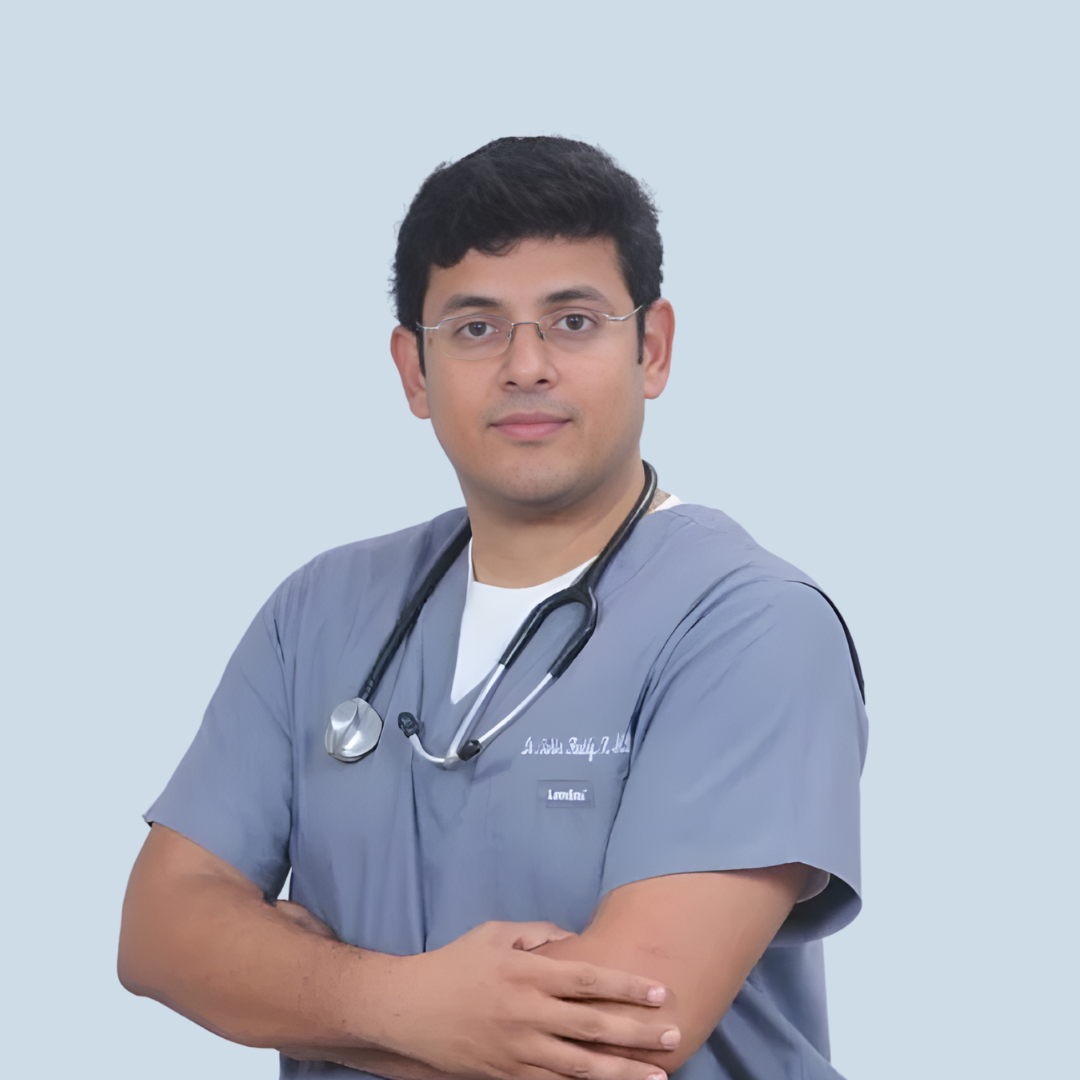
Dr. Ravi Sishir Reddy, MD General Medicine, Vivekananda Hospital
Our Begumpet campus runs dengue NS1 and IgM testing, complete blood counts, and typhoid cultures in the in-house lab, so a fever workup and physician review happen in one visit. Admission with platelet monitoring is available on the same campus if counts drop. For higher-risk groups, see our physician-reviewed guides on dengue in pregnancy and dengue fever in children.
Diabetes care: from your first high HbA1c to long-term control
Diabetes in India is usually diagnosed, treated, and controlled by a general physician. At Vivekananda Hospital, three physicians handle diabetes daily, including Dr. Manisha (MRCP UK, with a diabetes diploma) and Dr. Shree Mukesh Dutta, who focuses on type 2 and gestational diabetes.
The numbers explain why this is the busiest part of any Hyderabad OPD. According to the ICMR-INDIAB study published in The Lancet Diabetes and Endocrinology in 2023, 101 million Indians live with diabetes and another 136 million have prediabetes, with southern states recording above-average prevalence.
HbA1c: a blood test that reflects your average blood sugar over the past 3 months, used both to diagnose diabetes and to track control.
What diabetes care at a general medicine OPD actually looks like: confirming the diagnosis properly (a single random sugar reading is not a diagnosis), starting or adjusting medication, setting an HbA1c target that fits your age and health, and screening every year for the complications that do the real damage. Eyes, kidneys, heart, and feet. Diabetic foot problems get direct referral to our dedicated podiatric surgery team on the same campus, and kidney involvement goes to our nephrologist. If your reports show prediabetes, this is the stage where medication can often be delayed or avoided with structured diet and activity changes. Working toward remission is realistic for some patients with early type 2 diabetes, though it needs medical supervision, not internet protocols.
Blood pressure and heart risk: the silent half of the OPD
The same ICMR-INDIAB survey found hypertension in 35.5 percent of Indian adults, and most of them don't know they have it. High blood pressure rarely causes symptoms until it has already strained the heart, kidneys, or brain. A physician confirms it with repeated readings, rules out secondary causes, and starts treatment when lifestyle measures aren't enough.
One raised reading at a pharmacy counter doesn't make you hypertensive. A pattern of readings above 140/90 does. Our physicians check both arms, review your salt intake, sleep, and stress, and order an ECG and basic kidney tests before labelling anyone for life. When the ECG or echo raises a cardiac question, Dr. S. Kalyan Chakravarthy, our consultant cardiologist, is available in the same building for a 2D echo and cardiology opinion.
Thyroid, vitamin deficiencies, and the fatigue nobody can explain
Tiredness, hair fall, weight change, and low mood are among the commonest complaints in general medicine, and three tests explain a large share of them: TSH for thyroid function, vitamin D, and vitamin B12. All three are treatable, and all three are frequently missed or self-treated wrongly.
Roughly one in ten Indian adults has hypothyroidism, based on an eight-city epidemiological study published in the Indian Journal of Endocrinology and Metabolism. Published Indian studies place vitamin D deficiency between 50 and 94 percent of the population across age groups. Numbers like these are why we check before we prescribe, and why buying thyroid or vitamin supplements without a test is a bad habit. Too much thyroid hormone is as harmful as too little, and megadose vitamin D without monitoring has its own risks.
TSH (thyroid stimulating hormone): the screening blood test for thyroid function. A high TSH usually means an underactive thyroid, a low TSH usually means an overactive one.
Headaches, dizziness, and routine report findings like fatty liver
Recurring headaches and giddiness are physician problems first. Most are tension-type headaches, migraine, vestibular issues, low B12, anaemia, or medication effects. A general physician works through these causes and refers to our neurologist only when examination or red flags point to a neurological cause.
The same first-look logic applies to the incidental findings that arrive with every scan and health package. Grade 1 or grade 2 fatty liver on an ultrasound report frightens people, but it's common, usually linked to weight, sugar, and cholesterol, and responds to the same lifestyle correction that improves diabetes risk. A physician reads that report in context, orders liver function tests if needed, and tells you honestly whether it needs treatment or just follow-up. What it almost never needs is panic or a liver tonic from the pharmacy.
Health checkups at Vivekananda Hospital: which one do you actually need?
A useful health checkup is chosen by age, family history, and existing conditions, not by whichever package is on discount. Vivekananda Hospital runs 16 diagnostic health packages at the Begumpet campus, from basic screening to executive and diabetes-focused panels, all reported by our in-house lab and reviewed by a physician.
A rough guide: adults under 40 with no symptoms need basic screening every 1 to 2 years, sugar, lipids, blood counts, and blood pressure. After 40, add ECG, kidney and liver panels, and thyroid testing. Diabetics and hypertensives need their complication screening yearly regardless of age. The point of doing this at a hospital instead of a standalone lab is simple: when something turns up abnormal, the doctor who explains it and the departments that act on it are in the same building.
General medicine OPD guide: doctors, timings, and how to book
The general medicine OPD at Vivekananda Hospital, Begumpet runs Monday to Saturday in morning and evening sessions. Walk-ins are accepted during OPD hours, and WhatsApp booking gets you a confirmed slot with the doctor of your choice.
| Doctor | Credentials | OPD days | Timings |
|---|---|---|---|
| Dr. Ravi Sishir Reddy | MBBS, MD General Medicine | Mon to Sat | 10:30 am to 1:00 pm and 5:00 pm to 6:00 pm |
| Dr. Manisha | MBBS, MRCP (UK), Diploma in Diabetes | Mon to Sat AM, Mon to Fri PM | 10:30 am to 12:00 pm and 6:30 pm to 7:30 pm |
| Dr. Shree Mukesh Dutta | MBBS, MD General Medicine, Dip. Diabetes | Mon to Sat | 2:30 pm to 4:30 pm |
OPD timings can occasionally change with hospital duties, so confirm your slot on WhatsApp before travelling. Carry your previous prescriptions, recent lab reports, and a list of every medicine and supplement you currently take. The consultation is faster and safer when the doctor sees your full picture.
When to consult a general physician
Don't wait for symptoms to settle on their own if any of the following apply. Book an OPD consultation or call +91 7207904418.
- Fever beyond 3 days, or fever that returns after settling
- Fasting sugar above 126 mg/dL or HbA1c of 6.5 percent or higher on any report
- Repeated blood pressure readings above 140/90
- Unexplained weight loss, persistent fatigue, or hair fall with weight change
- Giddiness, recurring headaches, or new swelling of feet
- Any abnormal finding on a health checkup report you don't understand
Free, doctor-reviewed health tools you can use right now:
Browse all health tools Check your diabetes risk Check your BMI (Indian scale)Frequently Asked Questions
Which general physicians are available at Vivekananda Hospital, Begumpet?
Three MD physicians run the general medicine OPD Monday to Saturday: Dr. Ravi Sishir Reddy (MD General Medicine, internal medicine and critical care), Dr. Manisha (MRCP UK, diabetes specialist), and Dr. Shree Mukesh Dutta (MD, with a diabetes diploma, including gestational diabetes). Morning and evening sessions are available.
Do I need an appointment for the general medicine OPD or can I walk in?
Walk-ins are accepted during OPD hours, Monday to Saturday. Booking on WhatsApp at +91 7207904418 is faster because your slot and doctor are confirmed before you travel, and you'll be told if a doctor's timing has changed that day.
Can a general physician treat diabetes, or do I need an endocrinologist?
Most type 2 diabetes in India is diagnosed and treated by general physicians, and our OPD includes doctors with dedicated diabetes qualifications. An endocrinologist becomes necessary for type 1 diabetes, insulin pump therapy, and complex hormonal disorders. Your physician will tell you plainly if your case needs that referral.
When should a fever be shown to a doctor?
See a doctor if fever lasts beyond 3 days, crosses 103 degrees Fahrenheit, returns after settling, or comes with warning signs like vomiting, abdominal pain, rash, bleeding gums, or unusual drowsiness. During Hyderabad's monsoon, earlier testing is sensible because dengue complications often begin as the fever drops.
Is dengue testing available at Vivekananda Hospital?
Yes. The in-house lab at Begumpet runs dengue NS1 antigen and IgM antibody tests along with complete blood counts for platelet monitoring. Results are reviewed by the physician the same day, and admission with monitoring is available on the same campus if counts fall.
Can a general physician treat thyroid problems?
Yes. Hypothyroidism and hyperthyroidism are routinely diagnosed and treated in the general medicine OPD with TSH testing and medication titration. Referral is reserved for thyroid nodules, eye involvement, or thyroid disease around pregnancy, where specialist input adds value.
What should I bring to my first consultation?
Bring previous prescriptions, recent lab or scan reports, your health package results if any, and a written list of every medicine and supplement you take, including doses. If you monitor sugar or blood pressure at home, bring those readings. This single habit shortens the consultation and prevents medicine interactions.
Does Vivekananda Hospital do full body health checkups?
Yes. Sixteen diagnostic health packages run at the Begumpet campus, from basic screening to executive and diabetes-focused panels. All tests are processed in the in-house lab and the report is explained by a physician. You can compare and book packages on WhatsApp at +91 7207904418.
What is the difference between a general physician and a family doctor?
A family doctor is usually an MBBS practitioner providing first-contact care for all ages. A general physician holds a postgraduate MD in general medicine and manages more complex adult illness, including hospital admissions, ICU care, and multi-condition patients. For chronic diseases like diabetes and hypertension, MD-level care matters.
Is cashless insurance accepted at Vivekananda Hospital?
Cashless facility is available for admissions with major insurers and TPAs; carry your policy card and ID. Routine OPD consultations are usually paid directly unless your policy specifically covers outpatient care. The front desk can confirm your insurer's tie-up before your visit.
Where exactly is the hospital and is parking available?
Vivekananda Hospital is at 6-3-871/A, Greenlands Road, Begumpet, Hyderabad, beside the CM Camp Office, and is easy to reach from Begumpet, Prakash Nagar, and Ameerpet. Parking is available on campus. The emergency department and pharmacy run 24 hours.
Can I get all my tests done on the same day as the consultation?
In most cases, yes. Blood tests, ECG, X-ray, ultrasound, and CT scans are done in-house at Begumpet, so tests ordered in the morning OPD are usually reported the same day and reviewed in the evening session or the next OPD visit.
Not Sure Which Doctor You Need? Start Here.
Our general physicians and in-house lab can assess your symptoms, run the right tests, and refer you onward only if you truly need it, often on the same day. Same-week OPD slots are usually available.
Address: Vivekananda Hospital, 6-3-871/A, Greenlands Road, Beside CM Camp Office, Begumpet, Hyderabad 500016
Also serving: Ameerpet, Prakash Nagar, Somajiguda, Punjagutta, Secunderabad, SR Nagar, Banjara Hills
About the Medical Reviewer
Dr. Ravi Sishir Reddy (MBBS, MD General Medicine) is a full-time Consultant Physician at Vivekananda Hospital, Begumpet, Hyderabad, with over 15 years of clinical experience in internal medicine, critical care, and diabetes management. NMC registration verifiable on the Indian Medical Register.
Medical disclaimer: This article is for general health information and education only. It is not a substitute for professional medical advice, diagnosis, or treatment. Always consult a qualified doctor about your specific condition. If you have a medical emergency, call our 24-hour line on +91 7207904418 or visit the nearest emergency department immediately.
References: ICMR-INDIAB national study, The Lancet Diabetes & Endocrinology 2023 | WHO Dengue and severe dengue fact sheet | Hypothyroidism eight-city study, Indian Journal of Endocrinology and Metabolism 2013 | Vitamin D deficiency in India, J Family Medicine and Primary Care 2018
If our content helps you, tell Google to show you more of it. Add vivekanandahospital.in as a preferred source.