
Medically verified by: Dr. Shalini B, MBBS (Gold Medal), DGO, DNB (OB-GYN), Fellowship in Minimal Access Surgery
Senior Consultant Obstetrician & Gynaecologist, Vivekananda Hospital, Begumpet | 5,000+ deliveries | 1,000+ laparoscopic surgeries
📍 Serving families from Ameerpet, Somajiguda, Punjagutta, Secunderabad, Banjara Hills, and Khairathabad
Laparoscopic Myomectomy: Fibroid Removal Without Hysterectomy
Uterine fibroids are non-cancerous growths that affect up to 70 percent of women by age 50. While many women have no symptoms, others suffer from heavy bleeding, pelvic pain, frequent urination, and difficulty conceiving. For years, the only surgical option was hysterectomy (removal of the uterus), which ends fertility. Today, laparoscopic myomectomy offers a solution: removal of fibroids while preserving the uterus, fertility, and quality of life.
Dr. Shalini B, a fellowship-trained minimal access surgeon, has performed hundreds of laparoscopic myomectomies at Vivekananda Hospital, Begumpet. This guide explains what fibroids are, who needs surgery, how laparoscopic myomectomy works, recovery, and why it is often the best choice for women who wish to retain their fertility.
📌 Quick Facts: Laparoscopic myomectomy removes fibroids through small incisions (0.5-1 cm). It preserves the uterus, shortens recovery time (1-2 weeks vs 4-6 weeks for open surgery), and has a high success rate for symptom relief and fertility improvement.
What Are Uterine Fibroids?
Fibroids are benign growths that develop from the muscle tissue of the uterus. They can range in size from tiny seedlings to large masses that distort the uterus. Common types include:
- Subserosal: grow on the outer wall of the uterus; may cause pressure on surrounding organs.
- Intramural: grow within the muscular wall; often cause heavy bleeding and pain.
- Submucosal: grow just beneath the inner lining; most likely to cause heavy bleeding and fertility issues.
- Pedunculated: attached by a stalk; can twist and cause sudden pain.
Many women have no symptoms, but when they occur, they can significantly affect daily life.
Common Symptoms of Fibroids
- Heavy, prolonged menstrual bleeding (menorrhagia)
- Pelvic pressure or pain
- Frequent urination (due to pressure on the bladder)
- Constipation (pressure on the bowel)
- Pain during intercourse
- Enlarged abdomen (sometimes mistaken for weight gain)
- Difficulty getting pregnant or recurrent miscarriages
If you experience any of these, an ultrasound can diagnose fibroids.
When is Myomectomy Recommended?
Myomectomy (fibroid removal) is considered when:
- Symptoms are severe and affect quality of life.
- Fibroids are causing infertility or recurrent pregnancy loss.
- Medications have failed to control symptoms.
- The patient wishes to preserve fertility.
It is the preferred surgical option for women who want to keep their uterus and future childbearing potential. Unlike hysterectomy, myomectomy removes only the fibroids, leaving healthy uterine tissue intact.
Laparoscopic Myomectomy: How It Works
Laparoscopic myomectomy is performed under general anaesthesia. Steps:
- Small incisions: 3-4 tiny cuts (0.5-1 cm) in the abdomen.
- Camera insertion: A laparoscope (high‑definition camera) provides a magnified view.
- Fibroid removal: Specialised instruments cut fibroids into smaller pieces (morcellation) and remove them.
- Uterus repair: The uterine muscle is meticulously sutured to ensure strength for future pregnancy.
- Closure: Incisions are closed with absorbable stitches or skin glue.
The procedure typically takes 1-3 hours depending on the number, size, and location of fibroids. Dr. Shalini B uses advanced energy devices to minimise bleeding and ensure precise removal.
Benefits of Laparoscopic Myomectomy Over Open Surgery
| Aspect | Laparoscopic Myomectomy | Open Myomectomy |
|---|---|---|
| Incision size | 3-4 small cuts (0.5-1 cm) | Single large incision (5-15 cm) |
| Hospital stay | 1-2 days | 3-5 days |
| Return to work | 2 weeks | 6 weeks |
| Full recovery | 4-6 weeks | 8-12 weeks |
| Post-operative pain | Less, managed with oral meds | More, often requiring stronger pain relief |
| Risk of adhesions | Lower | Higher |
| Scarring | Minimal, hidden | Visible, longer scar |
Recovery After Laparoscopic Myomectomy
Fertility After Laparoscopic Myomectomy
For women with fibroid-related infertility, myomectomy significantly improves pregnancy rates. Studies show:
- Pregnancy rates increase by 50 to 70 percent after myomectomy.
- Miscarriage rates drop from around 40 percent to less than 20 percent for submucosal fibroids.
- Most women can attempt pregnancy 3-6 months after surgery (depending on fibroid location and uterine repair).
Dr. Shalini B performs careful uterine closure to ensure strength for a future pregnancy, and she can guide you on the optimal timing to conceive.
Risks and Considerations
Laparoscopic myomectomy is safe, but like any surgery, it carries some risks. These include:
- Bleeding (rare; reduced by advanced energy devices)
- Infection (low due to small incisions)
- Injury to surrounding organs (very rare, less than 1 percent)
- Risk of uterine rupture in a future pregnancy (very low with proper suturing)
- Fibroid recurrence (new fibroids may grow in 10-30 percent of women over 5-10 years)
Your individual risk is discussed during pre-operative consultation.
Why Choose Vivekananda Hospital for Laparoscopic Myomectomy?
- Expert surgeon: Dr. Shalini B has performed over 1,000 laparoscopic procedures, including complex myomectomies. She holds a fellowship in minimal access surgery.
- Advanced equipment: High‑definition laparoscopy, power morcellators, and energy devices for safe, efficient surgery.
- Fertility focus: Meticulous uterine repair to optimise future pregnancy outcomes.
- Affordable & transparent: All‑inclusive packages; cashless insurance available.
- Central location: Easy access from all parts of Hyderabad.
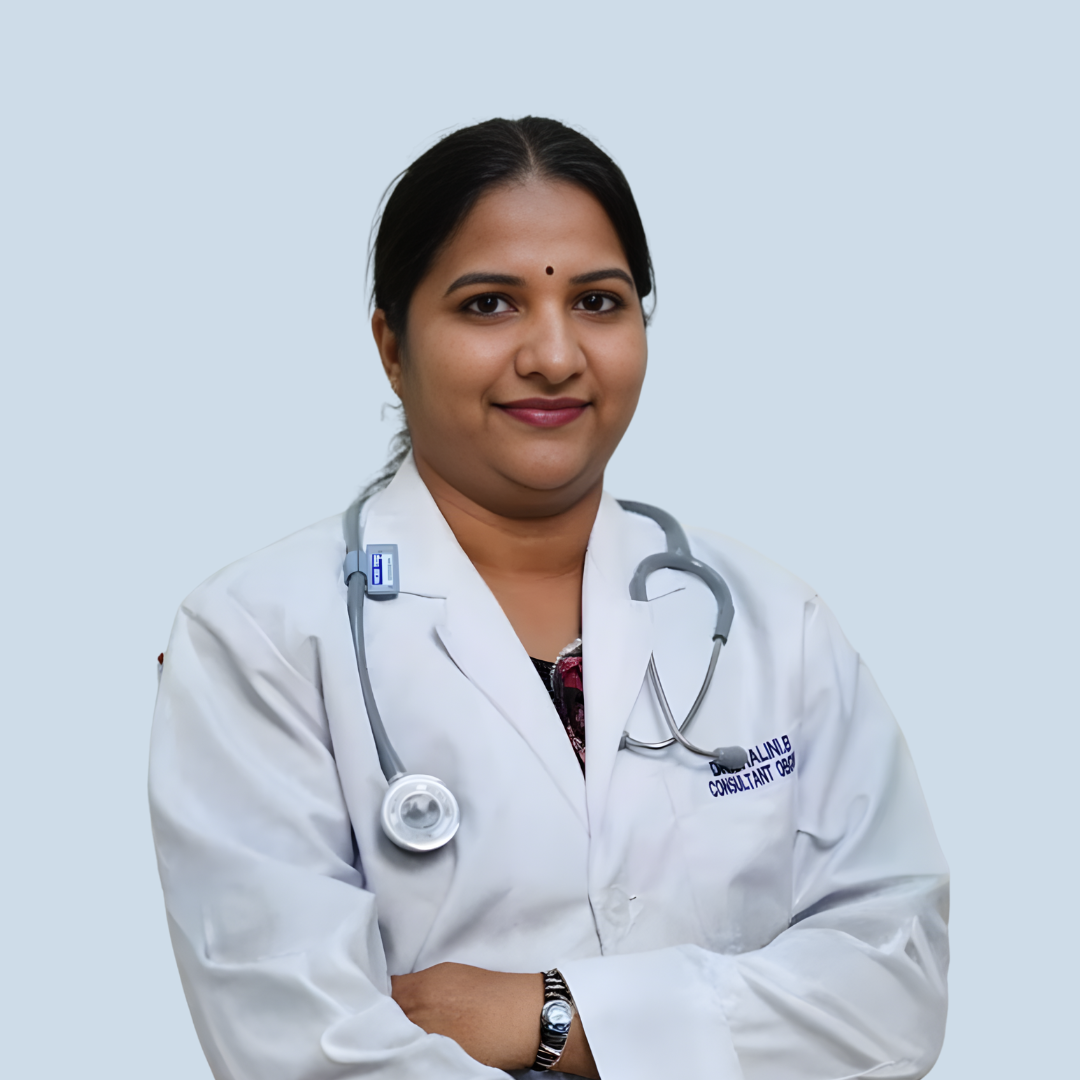
Dr. Shalini B
MBBS (Gold Medal), DGO, DNB (OB-GYN), Fellowship in Minimal Access Surgery
Senior Consultant Obstetrician & Gynaecologist | 5,000+ deliveries | 1,000+ laparoscopic surgeries
OPD: Monday-Saturday, 11:00 AM - 2:00 PM | Consultation: Rs. 750
Frequently Asked Questions About Laparoscopic Myomectomy
You May Also Like
Suffering from fibroids? Consult Dr. Shalini B to see if laparoscopic myomectomy is right for you.
📞 Call Now 💬 WhatsApp© 2026 Vivekananda Hospital, Begumpet, Hyderabad. For educational purposes only. Always consult your doctor for personal medical advice.
If our content helps you, tell Google to show you more of it. Add vivekanandahospital.in as a preferred source.