
Medically reviewed by: Dr. Shalini B, MBBS (Gold Medal), DGO, DNB (OB-GYN), Fellowship in Minimal Access Surgery
Senior Consultant Obstetrician & Gynaecologist, Vivekananda Hospital, Begumpet | 5,000+ deliveries | 1,000+ laparoscopic surgeries
📍 Serving patients from Begumpet, Ameerpet, Somajiguda, Punjagutta, Secunderabad, Banjara Hills, and Khairathabad
PCOS Management: Symptoms, Diagnosis & Treatment Options
Polycystic ovary syndrome (PCOS) is one of the most common hormonal disorders affecting women of reproductive age. It affects up to 1 in 10 women and can cause irregular periods, weight gain, acne, excess hair growth, and fertility issues. The good news is that with the right management plan lifestyle changes, medications, and sometimes minimally invasive surgery most women can control symptoms and reduce long‑term health risks. At Vivekananda Hospital, Dr. Shalini B offers personalised PCOS management, combining evidence‑based medicine with compassionate care. This guide explains everything you need to know about PCOS, from diagnosis to treatment options.
📌 Key Takeaways: PCOS is diagnosed using the Rotterdam criteria (two of three: irregular periods, signs of high androgens, polycystic ovaries). First‑line treatment is lifestyle modification (diet, exercise, 5‑10% weight loss). Medications like metformin and birth control pills help manage symptoms. Laparoscopic ovarian drilling may be considered for infertility when ovulation induction fails.
What is PCOS?
Polycystic ovary syndrome (PCOS) is a hormonal disorder characterised by an excess of androgens (male hormones) and ovulatory dysfunction. The name “polycystic” refers to the appearance of the ovaries on ultrasound, which often contain many small follicles (cysts). However, not all women with PCOS have cystic ovaries, and not all women with cystic ovaries have PCOS.
PCOS is a lifelong condition, but its symptoms can be managed effectively. It also increases the risk of type 2 diabetes, heart disease, and endometrial cancer, making early diagnosis and consistent management crucial.
Common Symptoms of PCOS
- Irregular menstrual cycles: Fewer than 8 periods per year, cycles longer than 35 days, or absence of periods (amenorrhea).
- Excess androgen signs: Hirsutism (excess facial/body hair), severe acne, male‑pattern baldness (androgenic alopecia).
- Polycystic ovaries on ultrasound: 12 or more follicles (2‑9 mm) in at least one ovary, or ovarian volume >10 mL.
- Weight gain: Especially around the abdomen; many women with PCOS struggle with obesity or insulin resistance.
- Infertility: Anovulation makes it difficult to conceive.
- Skin changes: Dark, velvety patches (acanthosis nigricans) on the neck, armpits, or groin a sign of insulin resistance.
How is PCOS Diagnosed?
Diagnosis is based on the Rotterdam criteria, requiring at least two of the following three features:
- Oligo‑ovulation or anovulation: Infrequent or absent periods.
- Clinical or biochemical hyperandrogenism: Signs of high male hormones (hirsutism, acne, alopecia) or elevated free testosterone in blood.
- Polycystic ovaries on ultrasound: 12+ follicles per ovary or enlarged ovarian volume.
Other causes of similar symptoms (thyroid disorders, high prolactin, non‑classic adrenal hyperplasia) must be excluded. Blood tests typically include:
- Thyroid function tests (TSH)
- Prolactin
- Total and free testosterone, DHEA‑S
- Fasting glucose, insulin, and lipid profile (to assess metabolic risk)
First‑Line Management: Lifestyle Modification
Losing just 5‑10% of body weight can restore regular cycles, improve insulin sensitivity, and reduce androgen levels often making medications unnecessary. Key lifestyle changes include:
- Diet: Focus on low‑glycaemic index foods (whole grains, legumes, vegetables), lean proteins, and healthy fats. Reduce refined carbs and sugars.
- Exercise: Aim for 150 minutes of moderate‑intensity exercise per week (brisk walking, cycling, swimming). Even 30 minutes daily can help.
- Stress management: High stress can worsen hormonal imbalances. Yoga, meditation, and adequate sleep are beneficial.
Our in‑house dietitian can help create a personalised meal plan tailored to PCOS.
Medical Treatments for PCOS
Regulate cycles, reduce androgen levels, improve acne and hirsutism. Usually taken for 3‑6 months.
Improves insulin sensitivity, may help with ovulation and weight management. Often used in women with insulin resistance or diabetes risk.
Reduces hirsutism and acne. Used with contraception to prevent pregnancy due to potential feminisation of male foetus.
For women trying to conceive. Letrozole is now preferred over clomiphene due to higher live birth rates.
Medication costs vary: metformin is very affordable (₹200‑500/month), while anti‑androgens and ovulation induction medications range from ₹500‑2,000 per cycle.
Surgical Option: Laparoscopic Ovarian Drilling (LOD)
For women with PCOS who are not ovulating despite lifestyle changes and ovulation induction medications, laparoscopic ovarian drilling can be considered. It is a minimally invasive procedure where a small electric current is used to create tiny holes in the ovary to reduce androgen production and restore ovulation.
Cost: ₹30,000 – ₹70,000 at Vivekananda Hospital (all‑inclusive). Most patients go home the same day or after a 1‑night stay. Ovulation often returns within weeks to months, and pregnancy rates are comparable to several cycles of medication.
Dr. Shalini B performs LOD with advanced laparoscopic techniques, ensuring minimal scarring and rapid recovery.
Long‑Term Health Risks and Prevention
Women with PCOS have higher risks of:
- Type 2 diabetes (by age 40, about 50% develop diabetes)
- High blood pressure and heart disease
- Endometrial hyperplasia and cancer (due to unopposed estrogen from irregular periods)
- Sleep apnoea
- Anxiety and depression
Regular screening including blood sugar, cholesterol, and endometrial ultrasound is essential. Annual check‑ups with Dr. Shalini B help monitor these risks.
When to See a Gynaecologist
If you have any of the following, schedule a consultation:
- Irregular periods (less than 8 per year)
- Difficulty getting pregnant
- Signs of excess hair growth, severe acne, or hair thinning
- Unexplained weight gain, especially around the abdomen
- Dark patches on skin (acanthosis nigricans)
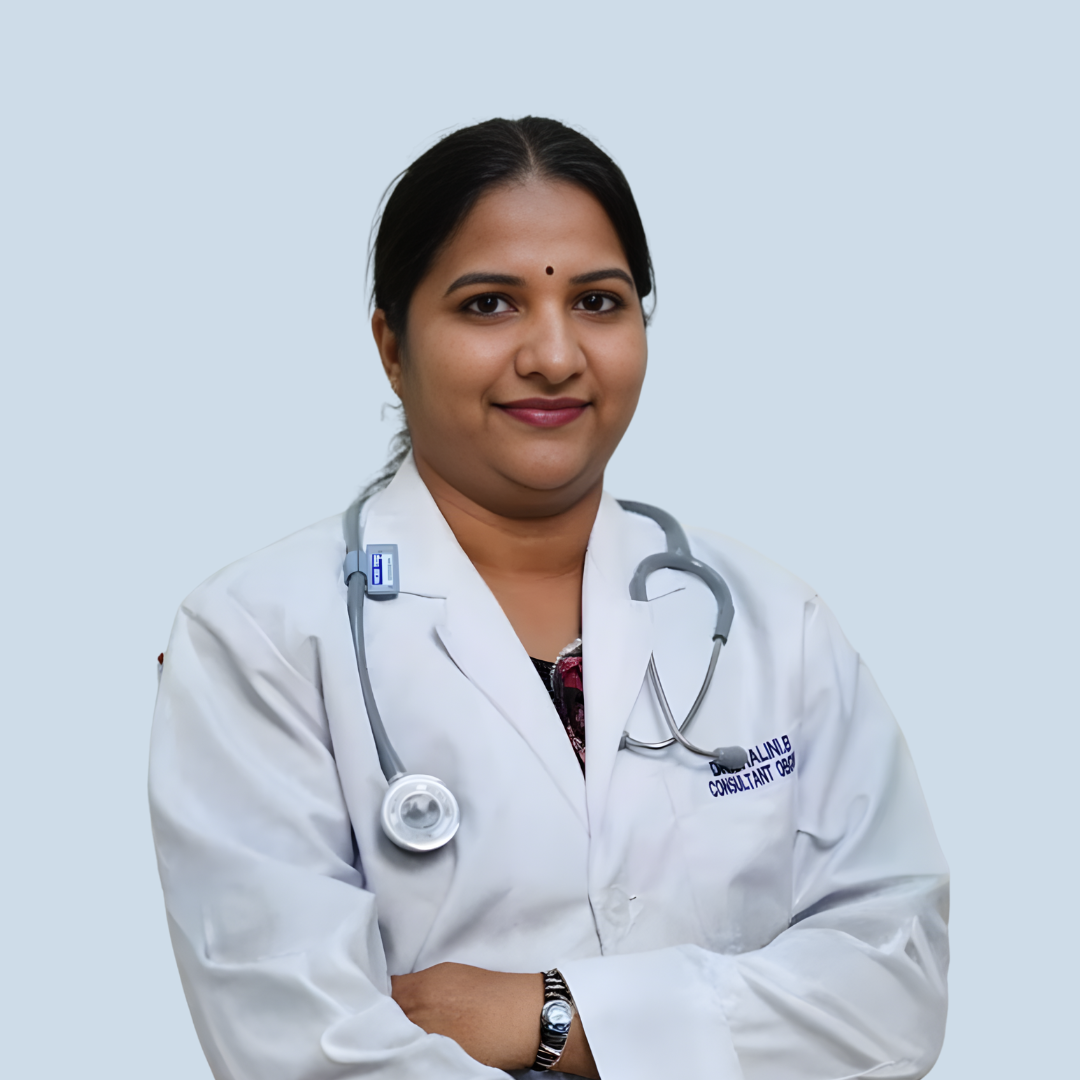
Dr. Shalini B
MBBS (Gold Medal), DGO, DNB (OB-GYN), Fellowship in Minimal Access Surgery
Senior Consultant Obstetrician & Gynaecologist | 5,000+ deliveries | 1,000+ laparoscopic surgeries
OPD: Monday-Saturday, 11:00 AM – 2:00 PM | Consultation: Rs. 750
Frequently Asked Questions About PCOS Management
You May Also Like
Have PCOS or suspect you might? Consult Dr. Shalini B for a personalised management plan.
📞 Call Now 💬 WhatsApp© 2026 Vivekananda Hospital, Begumpet, Hyderabad. For educational purposes only. Always consult your doctor for personal medical advice.
If our content helps you, tell Google to show you more of it. Add vivekanandahospital.in as a preferred source.