
Dengue Diet: Foods to Increase Platelets and Speed Recovery
The honest truth first: no food raises platelets dramatically, and platelets recover on their own as dengue settles. What a good diet does is keep you hydrated and nourished so your body recovers faster and you feel less awful. The priorities are fluids first, then vitamin C, protein, and iron and folate rich foods. Papaya leaf juice is popular with modest evidence, not a cure. Avoid oily, spicy food, caffeine and alcohol. And never let diet delay medical care if warning signs appear.
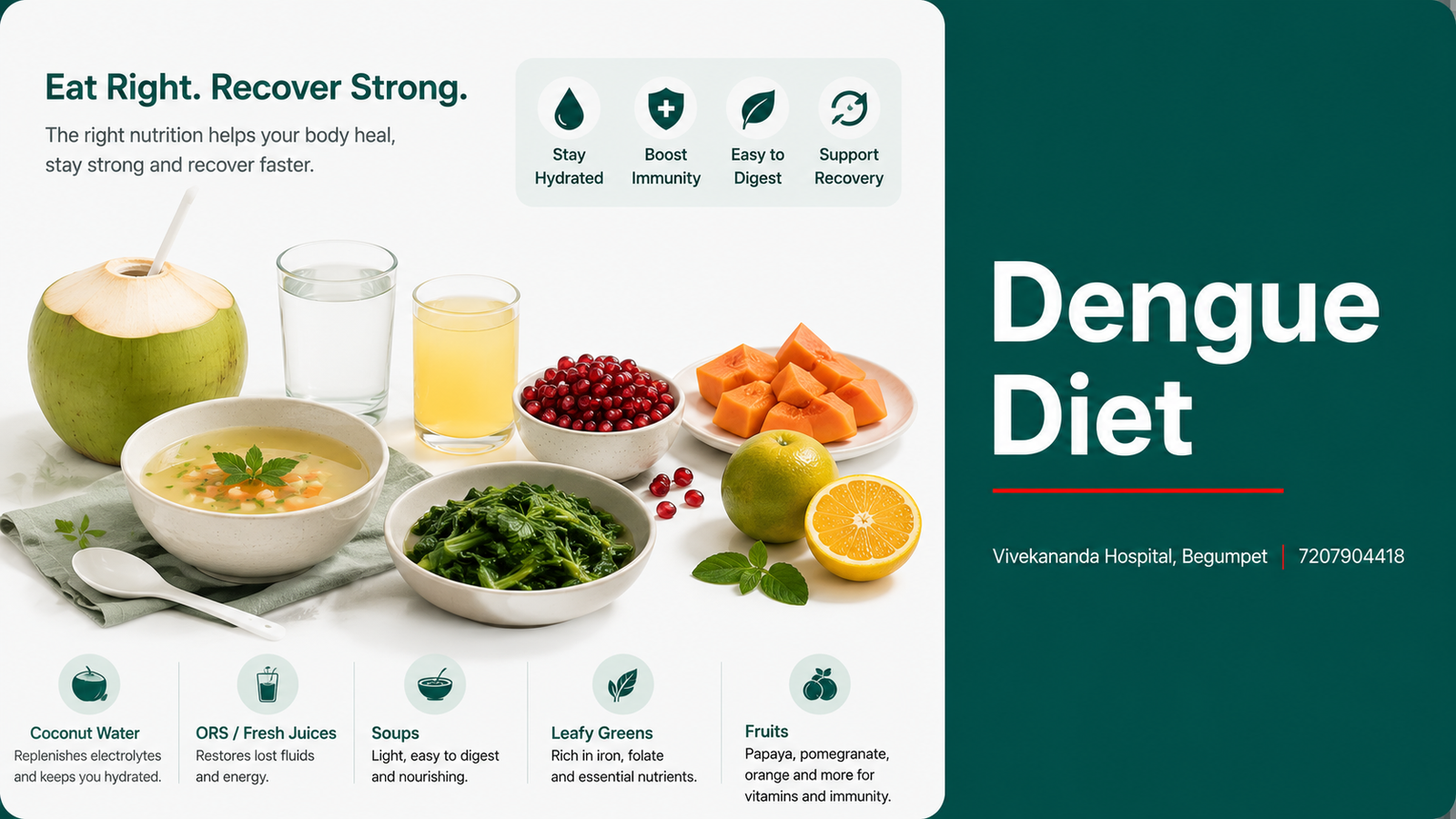
In dengue season, "what to eat to increase platelets" is one of the most searched questions, and it is surrounded by myths. This guide gives a clear, honest answer: the foods and drinks that genuinely help, what the papaya leaf evidence actually says, what to avoid, and a simple day plan. It is general information, not a diagnosis, and it does not replace your doctor's advice.
Can Food Actually Increase Platelets in Dengue?
Not dramatically, and not overnight. The fall in platelets during dengue is caused by the virus, and the recovery happens as the infection clears and the bone marrow returns to normal. That recovery is driven by the illness running its course, not by any one food.
What food and drink do matter for is hydration and nutrition. Staying well hydrated prevents the complications that make dengue dangerous, and good nutrition gives your body what it needs to repair and rebuild. So the goal of a dengue diet is support and recovery, not a magic platelet boost.
Best Foods and Drinks in Dengue
Fluids, the number one priority
- Water and ORS, sipped steadily through the day
- Coconut water, for natural electrolytes
- Fresh fruit juices, orange, pomegranate, amla
- Buttermilk and clear soups, gentle and hydrating
Nourishing foods that support recovery
- Vitamin C, citrus fruits, amla, guava, supports the immune response
- Protein, eggs, dal, chicken, fish, to rebuild strength
- Iron and folate, leafy greens like spinach, beetroot, pomegranate
- Papaya fruit, easy to digest and nutritious
- Light carbohydrates, khichdi, rice, porridge, easy on the stomach
Papaya Leaf Juice: What the Evidence Says
Papaya leaf juice is the most popular dengue home remedy in India, and it is worth being straight about it. A few small studies have suggested it may help platelet counts recover a little faster. The evidence is limited and not conclusive, and it is not a cure.
Foods to Avoid in Dengue
- Oily and fried food, hard to digest when you are unwell
- Very spicy food, can worsen nausea and stomach upset
- Caffeine, tea, coffee and cola, which are dehydrating
- Alcohol, dehydrating and hard on a recovering body
- Heavy, greasy meals, which sit badly with a poor appetite
A Sample Dengue Diet Chart
Use this as a flexible guide. Appetite is often low, so small, frequent, light meals work better than three big ones.
| Time | What to have |
|---|---|
| Early morning | Warm water; a few soaked almonds or raisins |
| Breakfast | Idli, upma, oats or porridge; a boiled egg; a fruit |
| Mid-morning | Coconut water or fresh orange or amla juice |
| Lunch | Soft rice or khichdi, dal, cooked vegetables, curd |
| Evening | Vegetable or chicken soup; herbal tea; papaya leaf juice if advised |
| Dinner | Light khichdi, or soft roti with dal and vegetables |
| Through the day | ORS and water, sipped steadily to stay hydrated |
Diet for Children with Dengue
Children dehydrate faster, so fluids matter even more. Offer ORS, coconut water, diluted juices, soups and their usual soft foods in small amounts often. Do not force feeding, but keep fluids going steadily. If a child is not drinking, is vomiting repeatedly, or is drowsy or passing little urine, that needs urgent medical review, not more food.
When Diet Is Not Enough
Diet supports recovery, but it does not manage the critical phase. Whatever you are eating or drinking, get medical care straight away if warning signs appear.
Stop relying on home diet and get care if you have
- Bleeding from the gums or nose, or blood in vomit or stool
- Severe abdominal pain or persistent vomiting
- A rapidly falling platelet count
- Breathlessness, drowsiness, cold clammy skin, or very little urine
Call +91 7207904418. See dengue platelet count, when to worry and dengue treatment in Hyderabad.
Not recovering as expected?
If the fever drags on, appetite will not return, or you are worried about platelets, get reviewed. Consult Dr. Ravi Sishir Reddy at Vivekananda Hospital, Begumpet.
Frequently Asked Questions
What foods increase platelets in dengue?
No single food raises platelets dramatically; they recover on their own as the infection settles. What helps is nutrition that supports recovery: plenty of fluids, vitamin C foods such as citrus and amla, protein such as eggs, dal and chicken, and iron and folate rich foods such as leafy greens, pomegranate and beetroot. Papaya leaf is popularly used, with modest evidence.
Does papaya leaf juice help in dengue?
Papaya leaf juice is the most popular home remedy, and a few small studies suggest it may modestly raise platelet counts. The evidence is limited and it is not a cure or a substitute for medical monitoring. It can be used alongside proper care if your doctor is comfortable with it, but it should never delay getting checked.
What should I drink during dengue?
Fluids are the single most important thing in dengue. Water, oral rehydration solution, coconut water, fresh fruit juices, buttermilk and clear soups all help prevent the dehydration that makes dengue worse. It is better to sip fluids steadily through the day than to drink large amounts at once.
What foods should be avoided in dengue?
Avoid oily, fried and heavily spiced foods, which are hard to digest when you are unwell, and avoid caffeine and alcohol, which dehydrate you. Very heavy or greasy meals can worsen nausea. Keep to light, easily digestible food while you recover.
Can diet cure dengue?
No. There is no antiviral for dengue and no food cures it. The illness runs its course and the body recovers with rest, fluids and monitoring. Good nutrition and hydration support recovery and help you feel better, but they do not replace medical care, especially during the critical phase.
What should I eat during dengue recovery?
During recovery, eat light, protein-rich and iron-rich foods to rebuild strength: eggs, dal, khichdi, chicken soup, leafy greens, and fruits such as pomegranate, papaya and citrus, with plenty of fluids. Appetite returns slowly, so small frequent meals are easier to manage than large ones.
Reviewed by Dr. Ravi Sishir Reddy, MD (General Medicine), Vivekananda Hospital, Begumpet. Last updated 12 Aug 2026. For general information only and not a substitute for medical advice or diagnosis. Diet supports recovery but does not treat severe dengue; if you have warning signs, seek care at once. Not for medical emergencies; for urgent help call +91 7207904418.
If our content helps you, tell Google to show you more of it. Add vivekanandahospital.in as a preferred source.